Postpartum Psychosis Can Put Children at Risk, Experts Urge Families to Recognise Warning Signs
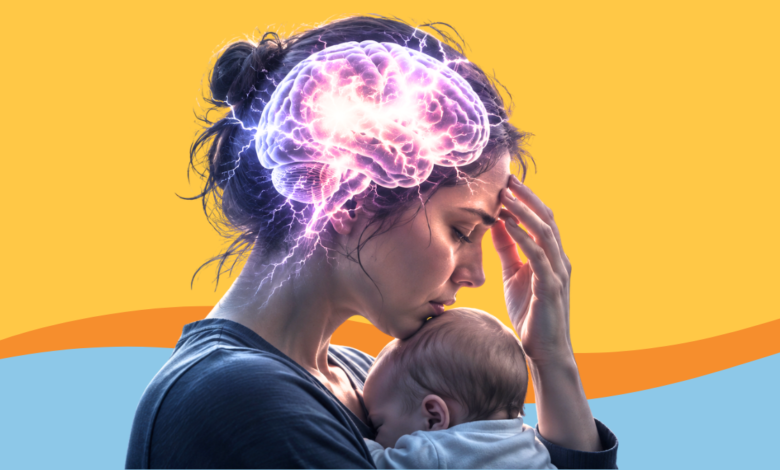
Postpartum psychosis is a serious mental health disorder that can occur after giving birth, and experts are calling on families to be aware of the early signs of the condition.
Postpartum psychosis (PPP) is a psychiatric emergency that can include hallucinations, delusions, paranoia, confusion and significant changes in behaviour, according to the Policy Center for Maternal Mental Health. The disease may progress quickly and sometimes get better before getting worse again.
The warning comes as postpartum psychosis has been in the spotlight again, after the trial of a Massachusetts mother accused of killing her three young children in 2023.
There is no standardised self-screening questionnaire for postpartum psychosis as the condition can impair a person’s capacity to recognise and reliably report symptoms.
But families and close friends may be able to detect changes that health care providers do not during short consultations.
The Policy Center’s Psychosis Symptom Checklist (PSC) was created in 2022 to assist providers and families in recognizing symptoms that may warrant immediate professional evaluation.
Symptoms may include extreme insomnia, unusual agitation, paranoia, disorganized speech, hallucinations, delusions, confusion and dramatic shifts in personality or behavior. If you are unusually energetic despite not getting enough sleep, it could also be a sign of mania, a condition that can be linked to bipolar disorder and an increased risk of postpartum psychosis.
Experts say that suspected psychosis should never be overlooked for child protection. If concerning symptoms appear, immediate psychiatric evaluation and a safe-care plan is recommended.
Early identification and intervention can help safeguard mothers and children and ensure that impacted families are provided with mental health care.