When Domestic Abuse Enters a Child’s World: An 80% Rise in Safeguarding Concerns
Domestic Abuse and Child Safeguarding: 80% Rise in Concerns
When Domestic Abuse Enters a Child’s World: An 80% Rise in Safeguarding Concerns
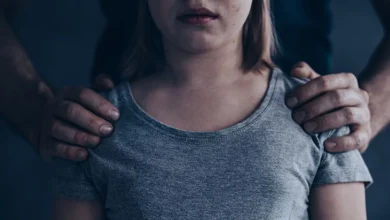
Domestic abuse is not only an adult issue. When violence, coercive control, threats or intimidation occur in a household, children are affected too — and they must be recognized as part of the safeguarding concern.
A recent report from the NSPCC has highlighted an alarming rise in concerns about children experiencing domestic abuse.
The charity received 4,599 contacts in 2021–2022, where domestic abuse was identified as the primary concern. By 2025–2026, this had risen to approximately 8,448 contacts — an increase of around 80%.
Almost one-third of these cases resulted in referrals to agencies including the police and children’s social services.
An 80% rise in contacts concerning children experiencing domestic abuse is a powerful reminder that hidden abuse requires visible safeguarding action.
Domestic Abuse Can Take Many Forms
Domestic abuse is not limited to physical violence.
It can include:
- Physical abuse
- Emotional and psychological abuse
- Verbal abuse
- Financial abuse
- Coercive control
- Threats and intimidation
- Technology-facilitated harassment and abuse
For Children, the danger can continue even after a parent leaves an abusive relationship.
One caller described how their sister had escaped an abusive situation with her six-month-old baby, but the former partner allegedly continued to control the family’s finances and emotionally abuse the mother.
The alleged perpetrator had reportedly drained their accounts, leaving the mother unable to afford necessities for the baby. Threatening messages were also reportedly sent online and through text.
Leaving an abusive relationship does not always mean the abuse has ended.
Perpetrators may continue exercising control through finances, digital communication, threats, harassment or the use of children as a means of maintaining contact and control.
This is why safeguarding professionals must consider the ongoing nature of risk, rather than assuming that separation automatically makes a family safe.
Children Can Be Victims Too
One of the most important lessons from this report is that children should not be viewed simply as people who “witnessed” domestic abuse.
A child who repeatedly sees a parent being threatened, humiliated or assaulted may experience fear, anxiety and emotional trauma.
Children may also be directly targeted by the perpetrator.
Possible signs that a child may be struggling include:
- Sudden aggression
- Withdrawal or isolation
- Bed-wetting
- Anxiety and fear
- Frequent tantrums
- Difficulty concentrating
- Problems at school
- Changes in relationships
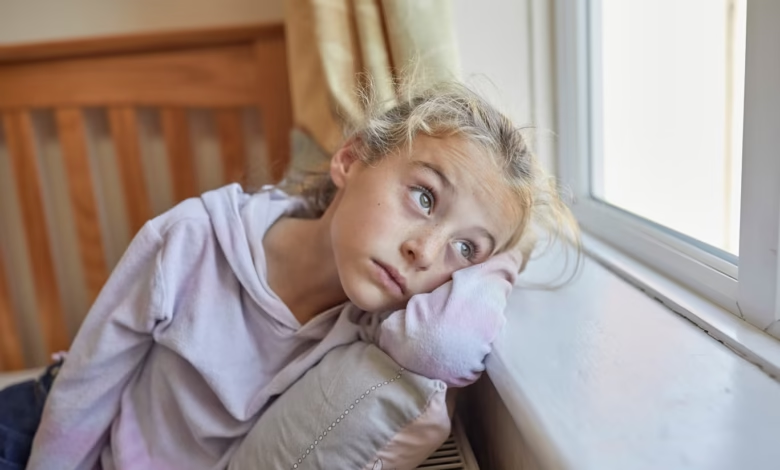
- Becoming unusually quiet or subdued
These signs do not automatically mean that a child is experiencing domestic abuse. However, significant changes in a child’s behaviour should prompt adults to pay attention and consider whether there may be an underlying safeguarding concern.
A child does not have to be physically assaulted to be harmed by domestic abuse.
The Story of a Mother and Her Children
Margaret*, a survivor of domestic abuse, described how her former husband’s controlling behaviour developed into emotional and psychological abuse before becoming physical.
She said the abuse eventually extended to their children, who were shouted at and physically punished.
The impact was visible.
Her children became subdued, sullen and withdrawn. They no longer behaved like carefree children.
Eventually, Margaret contacted the police, and the family was helped into a safe house.
The children later received support through a domestic abuse programme. According to Margaret, the change was remarkable: the children became more confident, playful and expressive.
Protection from abuse is only the beginning. Children also need support to recover.
This is an essential child-protection lesson. Removing a child from immediate danger is critical, but recovery may require emotional, psychological, social and educational support.
What Does This Mean for Safeguarding?
Safeguarding means creating environments where children are protected from harm and where concerns are identified and acted upon early.
In cases involving domestic abuse, safeguarding requires adults to:
RECOGNISE → LISTEN → REPORT → PROTECT → SUPPORT
1.Recognise
Adults must understand the different forms domestic abuse can take and recognise possible indicators in children’s behaviour.
2. Listen
Children need safe opportunities to talk. Adults should listen calmly and take concerns seriously.
- Report
Concerns should be documented and reported through appropriate safeguarding and child-protection procedures.
- Protect
Professionals must assess risks and take appropriate action to protect the child and the non-abusive parent or caregiver.
- Support
Children affected by domestic abuse may require ongoing support to recover and rebuild their sense of safety.
Schools Have an Important Role
Schools are often one of the places where changes in a child’s behaviour become visible.
A teacher might notice that a child who was previously confident has become withdrawn, or that a normally engaged pupil is suddenly struggling with concentration and attendance.
Teachers should not attempt to investigate suspected abuse themselves.
Their role is to:
- Listen appropriately.
- Avoid leading or suggestive questions.
- Record concerns accurately.
- Follow the school’s safeguarding policy.
- Report concerns to the designated safeguarding person or appropriate authority.
- Continue to support the child appropriately.
Sometimes a child’s behaviour is the only visible sign that something is wrong.
Children Must Know They Can Speak
Domestic abuse often remains hidden because of fear, stigma and shame.
Children may also remain silent because they are frightened about what might happen if they tell someone.
That is why children need trusted adults and safe environments where they can speak without fear of blame or punishment.
Every child should know:
“It is not your fault. You are not responsible for stopping the abuse. You deserve to be safe, heard and protected.”
The Bigger Child Protection Lesson
The reported increase in concerns should not be viewed simply as a statistic.
Safeguarding warning signal.
Behind every report is a child who may be experiencing fear, uncertainty, emotional distress or direct harm.
Domestic abuse can affect a child’s development, mental wellbeing, education, relationships and ability to feel safe.
Therefore, child protection must look beyond visible injuries.
The question should not only be: “Was the child physically harmed?”
We must also ask: “What is the child experiencing, and what is that experience doing to them?”
This requires stronger safeguarding education for parents, teachers and communities; effective reporting systems; coordinated responses between agencies; and accessible support for children and families.
Safeguarding Message
When domestic abuse enters a home, the child cannot be treated as a bystander.
Children see.
Children hear.
Children feel.
Children remember.
And sometimes, children communicate their distress through behaviour long before they find the words to explain what is happening.
Safeguarding begins when adults notice, listen and act.
Think the Child. Think Today. Think the Future.
Enlightenment is Superior to Enforcement®️