World Futures Day 2025: Building a Future Worthy of Every Child

World Futures Day, observed each year on 2 December, invites the global community to pause and consider the kind of world it is shaping. Created by UNESCO in 2021, the day encourages a patient and thoughtful examination of long-term change. It also highlights the skills needed to guide that change with fairness. Although the observance speaks to broad global concerns, its meaning becomes especially clear when viewed through the eyes of children, who will inherit the consequences of present decisions.
The theme for 2025, Anticipation in an Era of Volatility, points to the value of steady thinking at a time marked by rapid technological progress, environmental strain and shifting social expectations. These conditions shape childhood in immediate and lasting ways. They can widen opportunities, yet they can also deepen vulnerabilities. To prepare children for a world that moves quickly, societies must learn to understand uncertainty instead of rushing to meet it without preparation.
UNESCO’s programme for the observance includes lectures, plenary discussions and expert panels. The meeting takes place at the organisation’s headquarters in Paris and draws participants from education, culture and the social sciences. The event is open to registered attendees, with sessions offered in English and French. While specialists lead most discussions, the ideas raised are relevant to families, teachers and community leaders who influence children’s daily experiences.
A central focus in 2025 is the relationship between artificial intelligence and the future of education. Digital tools are changing how children learn and how teachers organise lessons. The agenda explores curriculum development, digital responsibility and access to open educational resources. These issues touch on essential questions. How can children develop curiosity in a digital world. How can schools help them think clearly, make sound choices and treat others with respect. These are practical matters that shape a child’s growth and confidence.
World Futures Day also draws attention to the need for systems that support children beyond immediate protection. Futures literacy provides a means to examine long-term risks and opportunities with greater clarity. When governments and communities recognise how today’s choices influence future outcomes, they are better placed to design policies that are fair, resilient and centred on a child’s well-being. This approach helps create environments where children can develop safely and express their ideas without fear.
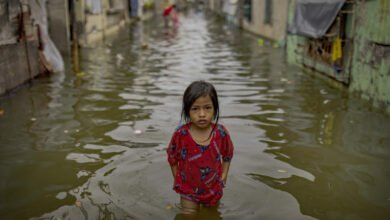
Climate change, shifting populations and technological disruption already influence childhood across regions. These forces will continue to set the direction of the world children enter as adults. The question is whether societies will plan with care or allow these changes to unfold without guidance. World Futures Day encourages a deliberate path grounded in inclusion. It reminds the world that preparing for the future is part of the responsibility owed to children.
The message stands firm, a future worthy of children is built through steady reflection, informed judgment and a shared commitment to long-term thinking. By strengthening futures literacy today, societies offer children a clearer path to thrive in the years ahead.