14-Year-Old Girl Rescued as Rights Groups Push to End “Child Marriage” in Northern Nigeria
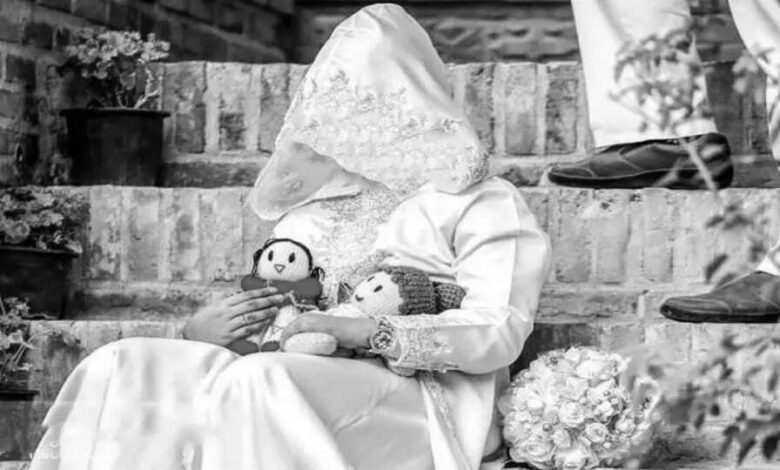
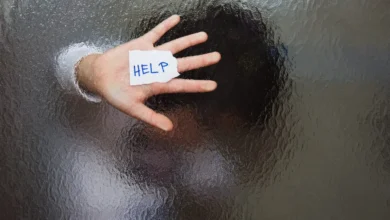
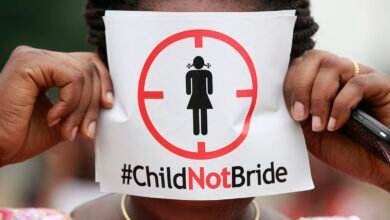
Child rights advocates and gender groups have raised fresh concerns over the continued prevalence of “child marriage” in Northern Nigeria, warning that the practice places thousands of children at risk of abuse, exploitation, and the loss of their fundamental rights.
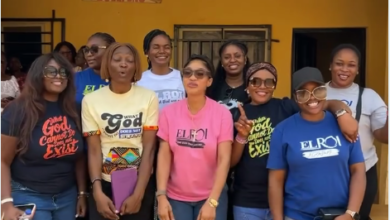
The concerns were raised in Jos by civil society organisations led by Prime Goals Initiative at the close of a 100 Days of Action campaign aimed at ending “child marriage” across several northern states. The campaign focused on communities in Adamawa, Bauchi, Gombe, Jigawa, Kaduna, Kano, Nasarawa, Plateau, and Zamfara, where “child marriage” remains a persistent child protection challenge.
Speaking during a media briefing, Programme Officer Saudatu Abdullahi said the initiative focused on educating children and community members about the harmful consequences of “child marriage.”
According to her, the campaign served as an advocacy platform to raise awareness and encourage communities to protect children from practices that threaten their health, education, and overall development.
From a safeguarding perspective, “child marriage” exposes children to serious risks, including early pregnancy, school dropout, gender-based violence, and long-term psychological harm. It also denies children the opportunity to grow, learn, and make informed decisions about their futures.
Advocates also highlighted a recent intervention in Bassa Local Government Area of Plateau State, where a 14-year-old girl was rescued from a forced “child marriage” in the Mr Ali community. The case underscores the importance of community vigilance, awareness campaigns, and rapid response systems in protecting vulnerable children.
Child rights groups stress that ending “child marriage” requires stronger enforcement of child protection laws, increased community education, and greater support for families. Safeguarding children means ensuring they remain in school, grow up in safe environments, and enjoy their full rights free from harmful traditional practices.