16 Million Children in Eastern and Southern Africa Need Urgent Humanitarian Support, UNICEF Warns
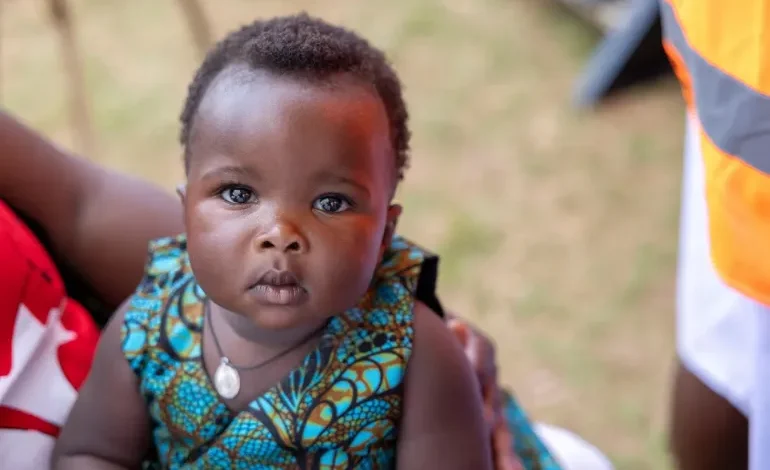
An estimated 16 million children across Eastern and Southern Africa are in urgent need of humanitarian assistance as overlapping crises driven by conflict, climate shocks, hunger, displacement, and funding shortages continue to deepen across the region, UNICEF has said.
In its 2026 Humanitarian Action for Children appeal, UNICEF is seeking US$1 billion to support vulnerable children in 22 countries, warning that declining global funding is placing lifesaving services at risk.
According to UNICEF, families across the region are facing unprecedented pressure as repeated floods, prolonged droughts, armed conflict, and economic hardship disrupt access to food, healthcare, education, and clean water. Children are bearing the heaviest burden, with many living in conditions that threaten their survival and long-term development.
UNICEF Regional Director for Eastern and Southern Africa, Etleva Kadilli, described the situation as critical, noting that many families have been displaced multiple times and are struggling to access basic services.
“Children and families are living on the edge,” she said, adding that shrinking humanitarian budgets are forcing difficult decisions about which services can be sustained.
In 2025, UNICEF experienced one of its most severe funding gaps in the region, with nearly US$700 million, about 60 percent of the total appeal, remaining unmet. As a result, some programmes were reduced or delivered less frequently, affecting support that many families rely on to survive.
Despite these challenges, UNICEF and its partners reported continued progress through available funding. By mid-2025, nearly 900,000 children received treatment for severe wasting, 12 million children were vaccinated against measles, and about 4.4 million people gained access to safe drinking water.
The region is currently facing one of the largest displacement crises in the world. More than 13 million people have been uprooted, largely due to conflict in Sudan and the Democratic Republic of the Congo. Children displaced by violence and disaster face increased risks of family separation, exploitation, and interruption to schooling. An estimated 46 million children across the region are currently out of school.
Malnutrition levels are also reaching alarming levels. UNICEF reports that 4.2 million children under five are suffering from severe acute malnutrition, while 25 million children are living in conditions described as severe child food poverty.
Public health challenges continue to escalate. Nineteen of the 22 countries in the region are dealing with multiple disease outbreaks, including cholera, mpox, Ebola, Marburg virus, measles, and polio. Cholera cases rose by 21 percent in 2025 compared with the previous year, while deaths increased by 35 percent.
UNICEF says it is adapting its humanitarian response to meet these growing needs by prioritizing lifesaving interventions, strengthening partnerships with governments and local organizations, investing in preparedness, and reinforcing national systems to improve long-term resilience.
The agency is urging governments, donors, and private sector partners to increase investment in children, particularly through flexible and multi-year funding, support for locally led responses, and the protection of humanitarian access.
UNICEF emphasized that predictable funding remains essential to ensure that children affected by crisis continue to receive lifesaving support and are not forgotten amid competing global priorities.