
53 Days in Captivity: Health Fears Mount for Abducted Oyo and Borno Schoolchildren
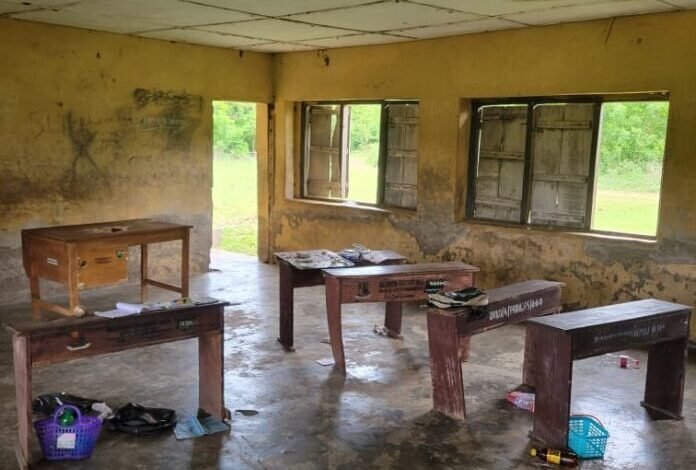
The abducted schoolchildren from Oyo and Borno states have now spent 53 days in captivity, raising fresh concerns about their health as they remain exposed to heavy rainfall and harsh forest conditions.
Health experts warn that the prolonged captivity places the children at risk of serious illnesses, especially as many are of primary school age and have reportedly been living without adequate shelter, nutrition or medical care.
Pediatrician Dr. Hope Adejor said the harsh weather alone poses a major threat to their survival.
“The weather itself is harsh, even for adults. Yet children as young as four and five are out there in the bush, with no shelter,” she said.
According to her, prolonged exposure to cold and rain can weaken children’s immune systems, making them vulnerable to pneumonia and other respiratory illnesses.
“Some of them may not survive it,” she warned, adding that the children also face the risk of malaria, hypothermia, leptospirosis, dengue fever and other life-threatening diseases.
Medical experts say the rainy season increases exposure to mosquito bites, contaminated water and poor sanitation, all of which heighten the danger of infection. They note that even after rescue, the children may require urgent medical treatment, psychological support and long-term rehabilitation.
As the Oyo and Borno schoolchildren mark 53 days in captivity, families continue to hope for their safe return while security agencies sustain rescue efforts. Child protection advocates say every additional day in captivity increases not only the security risks but also the likelihood of preventable illnesses that could have lasting consequences for the affected children.