Delhi’s Toxic Air Crisis Leaves Children Struggling to Breathe
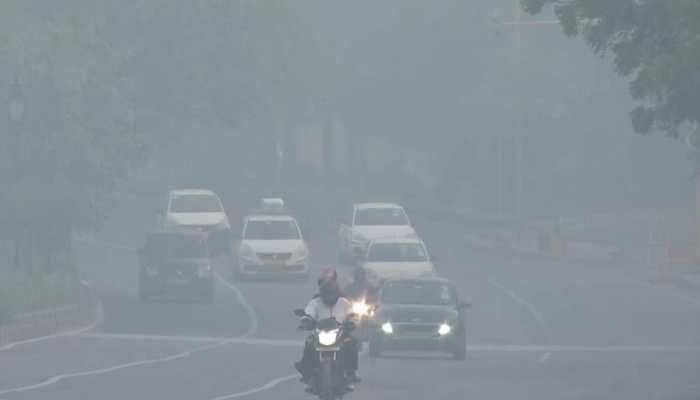
Delhi’s toxic haze has once again tightened its grip on the city, and children are bearing the heaviest burden of its worsening air pollution. In clinics across the capital and its surrounding areas, the impact is stark.
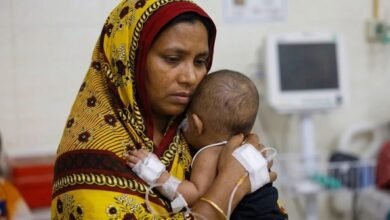
At a crowded paediatric clinic in Noida, parents stand anxiously in long queues with children who are coughing, sneezing, wheezing, or struggling to breathe. Many began falling ill as early as October, when the city’s air quality plunged to hazardous levels and appointments with doctors became increasingly difficult to secure.
The pollution crisis in Delhi recurs every winter and is driven by a combination of low wind speeds, dropping temperatures, vehicle emissions, industrial pollution, and seasonal stubble burning in neighbouring states.
This year, the city’s Air Quality Index (AQI) has hovered between 300 and 400, more than 20 times the World Health Organization’s recommended limit. Such levels affect even healthy individuals, but children and the elderly face the gravest risks.
Doctors have seen a sharp rise in paediatric cases linked to pollution. According to Dr. Shishir Bhatnagar, whose clinic has been overwhelmed, exposure to fine particulate matter (PM2.5) can weaken children’s developing immune systems.
He notes that cases of respiratory distress and pollution-related illnesses in children have increased tenfold, with half to nearly three-quarters of his patients presenting with symptoms during the height of the pollution season.
Despite annual emergency measures, halting construction, restricting high-emission vehicles, and even attempting cloud seeding this year, the air remains dangerously unbreathable. For Delhi’s 20 million residents, especially parents of young children, the anxiety continues to rise alongside pollution levels.
This situation is a direct challenge to the rights of every child, which affirm a child’s right to the highest attainable standard of health, to a safe environment, and to protection from conditions that threaten their development.
Every child has the right to breathe clean air, grow without preventable illness, and live in an environment that safeguards rather than harms their well-being.