
Thanksgiving: A Family Moment for Gratitude, Learning, and Honest History
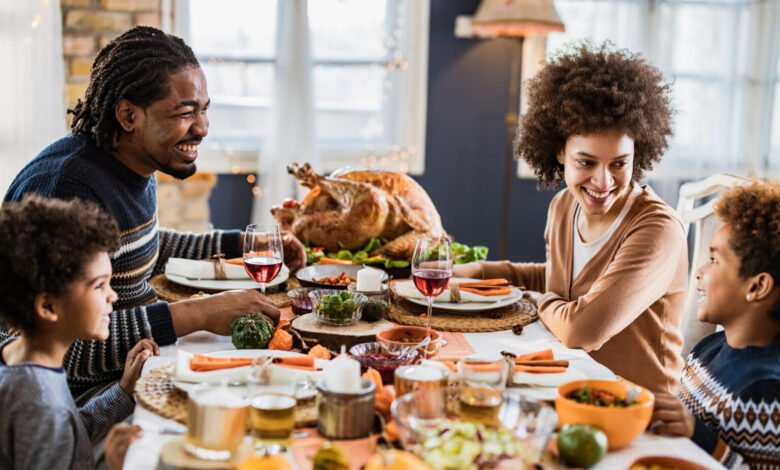
Thanksgiving has grown into one of the most familiar gatherings of the year for families in the United States and in a number of other countries. It began as a simple observance to give thanks for the harvest and for the year’s blessings. Over time it became a day for families to meet, share meals, and reflect on what truly matters. Its meaning continues to expand, especially for parents who want to teach children about gratitude, cultural understanding, and the importance of family stories.
Where the Tradition Began
The national celebration in the United States traces back to 1789 when President George Washington set aside a November date for public thanksgiving. Many years later President Abraham Lincoln placed the holiday on the final Thursday in November during the Civil War. Today it is observed on the fourth Thursday of November, which this year falls on November 27.
Families often mark the day with a meal that includes turkey, seasonal vegetables, and recipes that have been passed down through generations. Beyond the table, Thanksgiving offers a chance to speak with children about the history that shaped the tradition.
The Pilgrims and Their Arrival
In 1620 a group later known as the Pilgrims left England in search of a new beginning. They sailed on the Mayflower and spent more than two months at sea before reaching Cape Cod. Their first winter in North America was marked by illness, hunger, and severe cold. Only a small number of the original group survived until spring.
Life on Land That Was Already Home
When the surviving Pilgrims moved to a settlement they named Plymouth, they entered a region that had been home to the Wampanoag people for thousands of years. These communities had well developed cultures, languages, and systems of leadership. Members of the local tribes, including an Abenaki visitor and Squanto of the Pawtuxet people, taught the newcomers how to grow crops, recognize safe foods, and live through the seasons.
This guidance was essential. It helped the Pilgrims survive and supported the beginnings of a fragile relationship that continued for several decades.
A Shared Harvest Gathering
In the autumn of 1621 the Pilgrims and their Indigenous neighbors gathered to mark the harvest. The Wampanoag leader, Massasoit, attended with his people. The food reflected the environment around them. Records show that wild poultry and venison were served, along with corn, vegetables, and seafood. Although today’s Thanksgiving meals look different, the ideas of sharing and gratitude are familiar.
Teaching Children the Full Story
The early gathering is often remembered as a positive moment, yet later years brought conflict, loss of land, and great suffering for many Native communities. For this reason some families choose to observe the holiday while also teaching children about the experiences of Indigenous peoples. Many Native families gather in Plymouth each year for a National Day of Mourning to honor their ancestors and acknowledge the lasting effects of colonial expansion.
Speaking honestly about these events helps children understand that history is shaped by many perspectives. It encourages respect, cultural awareness, and a stronger sense of fairness.
A Day to Discuss Family Health
Thanksgiving is also recognized as Family Health History Day in the United States. Families are encouraged to talk about inherited conditions and long term health patterns. A short conversation can help children understand the value of prevention and remind them that care for loved ones extends beyond the holiday table.
Bringing the Meaning Home
Thanksgiving continues to offer families a welcome pause in a busy season. Parents can use the day to help children practice gratitude and to reflect on the good moments of the year. Simple actions such as sharing stories, preparing meals together, or saying a collective word of thanks can create lasting memories.
When children learn the fuller story of Thanksgiving, with both its hopeful and difficult parts, they gain a clearer picture of the past and a deeper sense of responsibility in the present.
Books That Can Support Family Learning
Families who wish to explore the holiday with care and accuracy may find the following books helpful:
- Fry Bread: A Native American Family Story by Kevin Noble Maillard
- We Are Grateful: Otsaliheliga by Traci Sorell
- 1621: A New Look at Thanksgiving by Catherine O’Neill Grace
- The Boy Who Fell off the Mayflower by P. J. Lynch
- Native American History for Kids by Karen Bush Gibson
- Giving Thanks: More Than 100 Ways to Say Thank You by Ellen Surrey
- Thanksgiving Is for Giving Thanks by Margaret Sutherland
- Squanto’s Journey by Joseph Bruchac
Thanksgiving remains a time for families to gather, learn, and grow. Whether celebrated with a large feast or a quiet home meal, it offers a reminder that gratitude and understanding strengthen every family and every community.
Source of image: Getty Images