Human Rights Day 2025: Why Children’s Rights Must Remain at the Heart of Global Progress
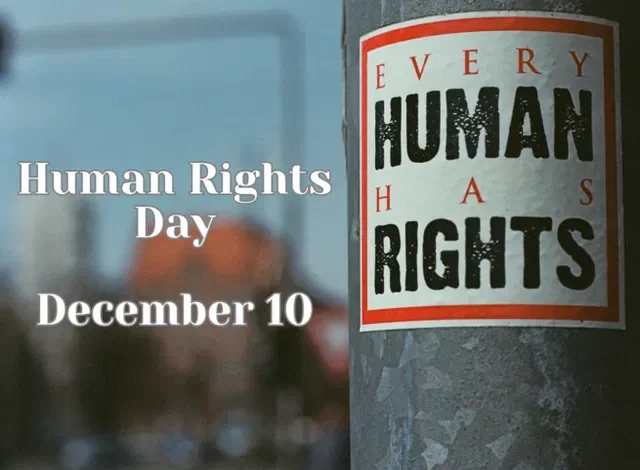
Human Rights Day, marked every year on 10 December, calls us back to a defining moment in history – the adoption of the Universal Declaration of Human Rights (UDHR) in 1948. It was the first time nations agreed on a shared standard for dignity, equality and fairness. Over the years, this milestone inspired a broader body of commitments, including the Convention on the Rights of the Child (CRC),now the most widely ratified human rights treaty in the world.
The 2025 theme, “Human Rights, Our Everyday Essentials,” challenges us to look closely at how these principles show up in real life not as distant ideals but as daily necessities for children everywhere.
Why Children’s Rights Are Everyday Essentials
Children depend on adults, systems and institutions to uphold the rights that make their growth possible. When these rights are respected, children learn with confidence, form healthy relationships and explore their abilities without fear. But when rights are dismissed or weakened, the harm often follows them well into adulthood.
This year’s theme encourages society to see human rights not as abstract concepts but as the basic conditions children rely on every single day; at home, at school and in their communities.
Education: More Than Classrooms and Lessons
One of the most powerful illustrations of children’s rights in action is the right to education. A school that is inclusive, safe and well-supported does far more than teach literacy or numeracy. It:
- builds children’s confidence
- nurtures their identity
- strengthens their sense of belonging
- prepares them to take part in society
Education is closely linked to many other rights; safety, freedom of expression, and access to reliable information. When these rights come together, children are able to learn without fear, exclusion or discrimination.
The Home: A Child’s First Human Rights Environment
Every child has the right to grow up in a family environment filled with care, respect and guidance. Home life shapes a child’s emotional security, values and early understanding of the world.
This includes the right to:
- protection from neglect, abuse or harmful practices
- guidance that supports moral, emotional and social development
- a stable environment that allows them to thrive
Families also need support. When parents and caregivers receive the services and help they need, children benefit in every area of their lives. And when families struggle, society carries the responsibility to strengthen them rather than fracture them.
Health and Well-Being: A Foundation for Every Other Right
Good health is central to a child’s development. The UDHR laid the foundation for the rights that support their physical and emotional well-being, including:
- nutritious food
- clean water
- basic healthcare
- information and support for healthy choices
These are not privileges. They are the minimum required for children to grow, learn and participate fully in life. Communities that protect these rights build stronger, more resilient generations.
Responding to New Realities: Rights in a Changing World
The world of 2025 looks very different from the world of 1948. As children grow up in fast-changing environments, the human rights framework has had to expand and adapt.
Today’s children face challenges that earlier generations could not have imagined:
- digital risks and online safety
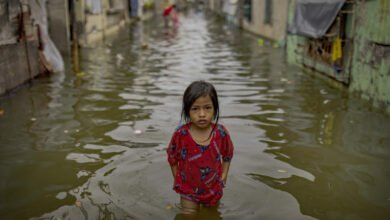
- climate-related threats
- the experiences of migrant, refugee and displaced children
- new forms of violence and exploitation
Yet the core principle remains the same, every child is deserving of protection, opportunity and dignity, no matter their background or circumstances.
Education and Awareness: UNESCO’s Lasting Influence
UNESCO helped embed the UDHR’s values into education and public life from the very beginning. That early work continues to matter. When children learn about their rights, they grow more aware of their value and more prepared to respect others. And when adults understand these principles, they are better equipped to build environments where children can flourish. Human rights education is more than a subject. It is a pathway to a safer and more compassionate world.
Everyone Has a Role to Play
This year’s theme invites us to reflect on our responsibility – individually and collectively – to safeguard children’s rights.
Small actions truly matter:
- listening when a child speaks
- challenging harmful or abusive behavior
- supporting schools that embrace inclusion and safety
- strengthening community systems that serve families
These simple, everyday choices help transform human rights from lofty ideals into daily practice.
Children’s Rights: Not an Addition, but the Starting Point
Human Rights Day reminds us that children’s rights are not optional, secondary or separate. They are the starting point. Children rely on the adults around them to turn these principles into reality. By prioritizing the youngest members of society, we lay the foundation for a future defined by dignity, fairness and shared responsibility. The vision expressed in 1948 still guides the world today, and its power is felt most clearly in the lives of children who depend on these principles the most.