
UK Government to Issue First Guidance on Screen Time for Children Under Five
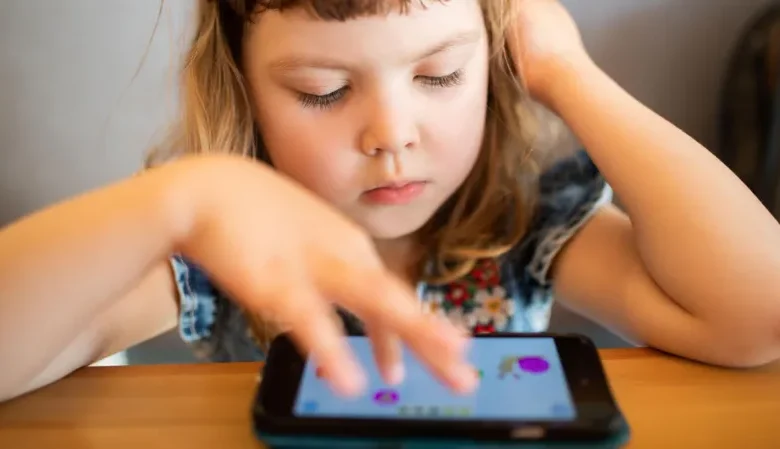
Parents of children under five in England will soon receive official advice on managing screen time, as the government prepares to publish its first guidance for this age group in April. The move comes amid growing concerns that excessive use of screens may be affecting young children’s language development and ability to concentrate.
Recent government research revealed that nearly 98% of children under two are using screens daily. Observations from parents, teachers, and nursery staff indicate that children with the highest levels of screen use, around five hours a day, tend to know significantly fewer words than those spending closer to 44 minutes on screens each day.
The new guidance will be developed by a national working group led by Children’s Commissioner for England, Dame Rachel de Souza, and Department for Education scientific adviser Professor Russell Viner. The group plans to speak with parents, children, and early years practitioners to ensure the advice is practical and evidence-based. Terms of reference for the initiative are expected to be published on Monday.
Education Secretary Bridget Phillipson emphasized that screens are now a normal part of family life. “The question parents are asking isn’t whether to use them, but how to use them well,” she said. Writing in the Sunday Times, Phillipson acknowledged the challenges parents face, noting that giving in to a child’s “just one more” request can quickly add up. She suggested that screens can be used constructively, for example, sharing a story on a tablet or engaging children with educational games.
Felicity Gillespie, director of charitable foundation Kindred Squared, welcomed the announcement, saying that practical, evidence-based guidance for parents had been “overdue.” Polling from Kindred indicates that 40% of parents believe reducing screen time would better prepare their children for Reception year, highlighting the demand for clear guidance. Gillespie added, “We must increase public understanding of how screens and devices can interfere with the way babies and toddlers learn best, which is by looking at facial expressions, chatting, singing, and play.”
Neil Leitch from the Early Years Alliance also supported the initiative, emphasizing that screen time guidance should be part of a broader framework of digital literacy and online safety for families and educators.
The announcement comes amid wider debate on children and technology. The Conservative Party has pledged to ban under-16s from accessing social media platforms if elected, following Australia’s lead. Shadow Education Secretary Laura Trott said, “We need to shift the social norm to say children are not safe on social media sites, it is really bad for them.” She also called for an amendment to the Schools Bill that would ban smartphones in classrooms.
Former Prime Minister Rishi Sunak, discussing the issue on BBC Breakfast, described the problem as “complex” and stressed that there is no single solution. “We need to make sure when kids are at school they are focused on learning and being at school, and not having the distractions of phones and social media in the classroom,” he said.
The government’s upcoming guidance for parents of under-fives aims to provide practical strategies for balancing screen use while supporting early childhood development, encouraging alternatives such as reading, singing, and interactive play to help children build key language, cognitive, and social skills.
Source of Image: Getty Images