
UK Schools Launch New Lessons to Tackle Misogyny, Bullying, and Harmful Online Behavior
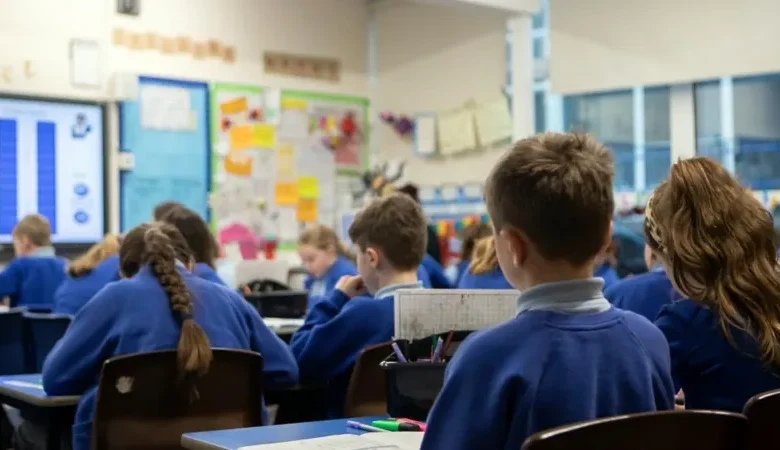
The UK government has unveiled a long-awaited £20 million plan to tackle violence against women and girls, giving teachers specialist training to spot misogyny in the classroom and offering high-risk students behavioural courses aimed at preventing future abuse. The strategy, designed to address the early roots of violent behaviour, also includes a helpline for teenagers and lessons on consent, healthy relationships, and online safety.
Schools in England will play a central role in the government’s ambitious effort to halve violence against women and girls (VAWG) over the next decade. Teachers are set to receive specialist training on spotting misogyny, understanding consent, identifying positive role models, and challenging unhealthy myths about women and relationships.
High-risk students could be sent on targeted behavioural courses, aimed at reshaping attitudes and preventing young men from becoming violent abusers. The strategy also addresses risks posed by social media and online influencers, equipping students with tools to critically navigate harmful content.
As part of the £20 million initiative, schools will introduce programs to help teenagers access support for concerns about abuse in their own relationships, including a dedicated new helpline. The government hopes early intervention in schools will prevent long-term cycles of abuse.
However, critics say the plan falls short. Dame Nicole Jacobs, Domestic Abuse Commissioner for England and Wales, warned that while the strategy recognises the scale of the problem, the level of investment “falls seriously short.” She emphasised that more resources are needed to make a meaningful difference in preventing violence against women and girls.
The plan has also drawn criticism from Conservative Party leader Kemi Badenoch, who dismissed the measures as “silly gimmicks,” claiming the government was motivated by watching the Netflix series Adolescence. She called for stronger law enforcement measures, including removing individuals from the country who come from cultures that treat women as second-class citizens.
Despite the debate, government officials remain committed to using education as a front-line tool to challenge the culture of misogyny and promote accountability, empathy, and respect from an early age. With teachers trained to intervene early and support students, the initiative aims to tackle the root causes of abusive behaviour before it escalates.
The plans reflect a wider strategy to embed cultural change in schools, making lessons on consent, respect, and healthy relationships a core part of the curriculum, while using targeted intervention for those most at risk. Analysts say success will depend on the government following through with resources, monitoring outcomes, and balancing education with broader public safety measures.