Over 50 Cars Donated to Single Moms by Schoolchildren — A Powerful Example of Children Driving Positive Change
When Education Empowers Children to Change Lives
At a high school in Virginia, a group of students is showing what happens when children are given the opportunity to learn, participate, and contribute meaningfully to their communities.
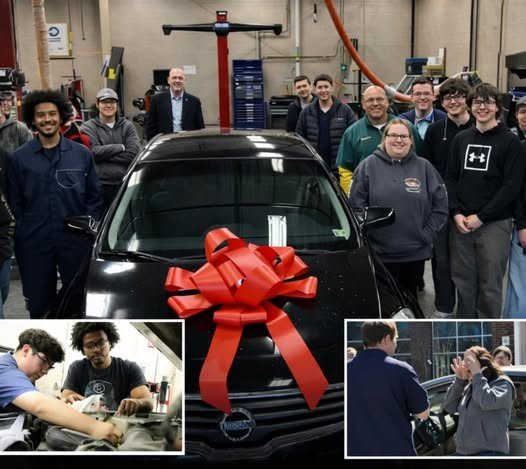
Students at Louisa County High School are enrolled in an automotive program that teaches practical mechanical skills. Through a partnership with the nonprofit Giving Words, these students repair and restore donated vehicles — which are then gifted to single mothers in need of safe and reliable transportation.
So far, more than 60 families have received cars through the program, strengthening access to employment, childcare, education, and family stability.
From a child-rights perspective, this initiative is a powerful example of the right to development, the right to education, and the right to participation, as outlined in the UN Convention on the Rights of the Child.
Education That Builds Skills and Social Responsibility
The program goes beyond vocational training. Students learn teamwork, responsibility, and problem-solving, while also developing empathy and a sense of civic duty. They see firsthand how their skills can improve the lives of others — an experience that strengthens both confidence and social awareness.
Eddie Brown, founder of Giving Words, created the program after experiencing firsthand the challenges of being a single parent without reliable transportation.
By bringing families into the school to meet the students, the program helps young people understand the real-world impact of their work, reinforcing values of solidarity, dignity, and accountability.
Supporting Families While Empowering Children
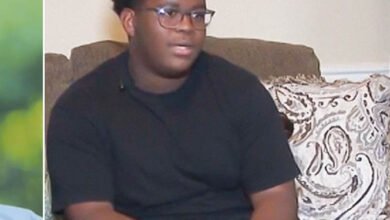
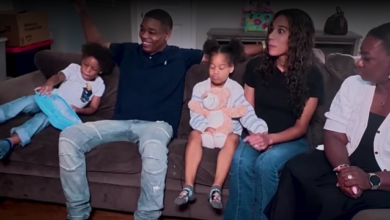
For recipients like Jessica Radar, receiving a car meant more than transportation. It enabled her to secure employment, safely transport her children, and regain custody of two of them.
This outcome highlights how child-centered education can also protect and support the rights of other children — by strengthening families and reducing barriers to care, schooling, and stability.
Why This Model Matters
Too often, children are seen only as recipients of support rather than contributors to solutions. Programs like this challenge that narrative. They demonstrate that when children are trusted, supported, and given meaningful roles, they become active agents of positive change.
For NGOs, educators, and policymakers, the Louisa County model shows how schools can integrate life skills, community service, and child rights into education systems — benefiting both young people and the wider community.
As global conversations continue around education reform, youth empowerment, and child development, this program offers a clear message:
When children’s rights are respected and nurtured, everyone benefits.