Finland’s Shocking Strategy: Teaching Children as Young as 3 to Spot Fake News to Protect Their Minds
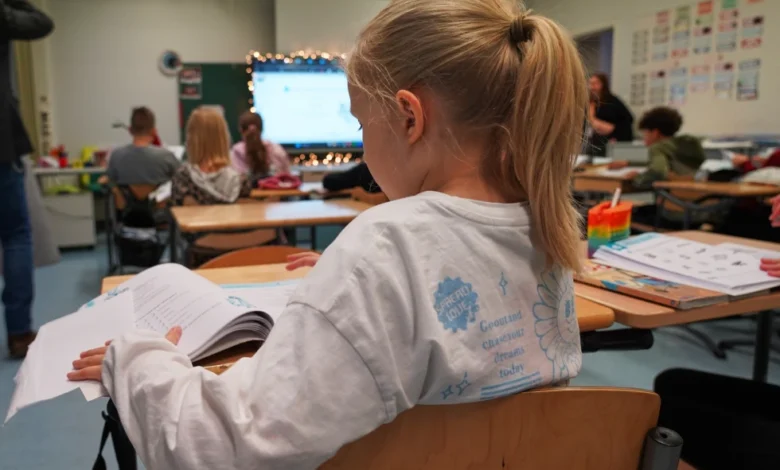
In a revealing move that has global implications, Finland is fighting disinformation not with censorship but by teaching children from preschool how to recognize fake news and propaganda, a curriculum designed to protect young minds from manipulation and uphold their right to a proper, safe education.
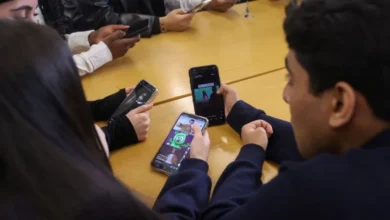
In classrooms across Finland, the battle against misinformation begins before many children can tie their own shoelaces. The Nordic nation has woven media literacy, the ability to analyse and recognise false information, into its national curriculum for students as young as 3 years old, equipping children with tools to discern fact from fiction long before most other nations even introduce critical thinking skills.
This early and deliberate focus on media literacy is not just an educational trend, it is a profound investment in children’s right to meaningful and safe development through quality education. By learning how to question, evaluate, and verify information, children are better protected against the spread of misinformation and propaganda that can distort their understanding of the world and influence their beliefs.
Teachers walk young learners through activities such as distinguishing trustworthy headlines from deceptive ones, analysing images and videos for misleading edits, and now, recognising artificial intelligence-generated content as AI tools contribute to an increasingly blurred line between real and fake information.
At Tapanila Primary School in Helsinki, classrooms may look like any other — but the lessons are a direct response to a modern threat. With Finland’s close proximity to Russia and the increase in disinformation campaigns across Europe since 2022, educators and specialists say these skills are essential not only for individual children but for the resilience of society as a whole.
Experts stress that media literacy builds a foundation for long-term cognitive and social development, helping young people grow into adults who can think independently, participate fully in civic life, and resist manipulation by powerful interests or hostile actors. This aligns with children’s rights to an education that enables them to develop intellectually, socially and emotionally, a core principle recognised in international conventions on the rights of the child.
Finland’s approach has helped place it among the top countries in Europe for resistance to misinformation, and its model is increasingly cited by educators worldwide looking to protect the next generation from the harms of fake news.
In a time when digital content floods every screen children encounter, Finland’s bold curriculum serves as a reminder that education isn’t just about literacy and numeracy — it’s about safeguarding children’s futures by giving them the tools to understand their world accurately and confidently.