Learning from Past Failures: Strengthening Child Protection in Schools
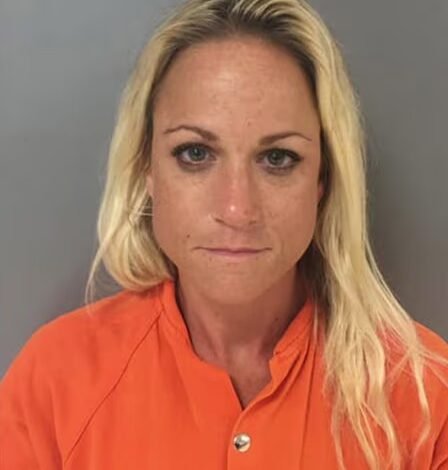
The shocking case of a Louisiana teacher who abused students and gave them unsafe substances in school remains a stark reminder of the vulnerabilities children face, even in environments that are meant to nurture and protect them. While the legal system has held the perpetrators accountable, the case offers a critical opportunity to examine how schools, parents, governments, and communities can better safeguard children and prevent future abuse.
Reflecting on the Impact on Children
The children affected by the abuse endured not only physical exposure to unsafe acts but also long-term emotional and psychological harm. Trauma from such experiences can disrupt trust in adults, hinder learning, and affect overall well-being. This demonstrates the importance of proactive measures to protect children from all forms of exploitation and unsafe exposure.
Strengthening Safeguards in Schools
Schools play a central role in the safety and development of children. This case highlights the need for:
-
Comprehensive vetting and training for all staff, including temporary and support personnel, to ensure they understand boundaries, child rights, and safeguarding responsibilities.
-
Clear reporting channels that allow children to safely alert authorities to inappropriate behavior, without fear of retaliation.
-
Robust monitoring systems for activities involving children, including classroom behavior and school events, to identify early signs of misconduct.
By creating a culture of vigilance and accountability, schools can become safer spaces where children can focus on learning and development rather than fear.
The Role of Parents and Guardians
Parents remain the first line of defense for children. Open communication with children about their experiences, digital interactions, and school life is crucial. Parents should be empowered with knowledge about warning signs of abuse and supported in collaborating with schools to ensure safe environments.
Government and Community Responsibilities
Governments have a responsibility to enact and enforce policies that protect children, including clear legal frameworks, swift investigation of allegations, and penalties for breaches of trust. Community awareness campaigns and support services for children and families are essential to complement these legal protections. Collaboration between law enforcement, child protection agencies, schools, and families creates a comprehensive safety net for children.
Upholding Children’s Rights
Every child has the right to grow in a safe, supportive environment. Education should foster curiosity, development, and confidence, not expose children to harm. Protecting children means integrating strong safeguarding policies, informed oversight, and a zero-tolerance approach to abuse at every level of society.
Moving Forward
While the Louisiana case is behind us, its lessons remain critical. It demonstrates that abuse can occur even in trusted spaces and underscores the need for systemic improvements. By learning from past failures, society can ensure that children’s rights to safety, dignity, and proper development are not just ideals but realities in schools and communities everywhere.
Proactive measures, vigilant oversight, and a shared commitment to child protection are essential to prevent similar tragedies. When governments, schools, families, and communities work together, children can grow, learn, and thrive in environments where they are genuinely safe.