
5-Year-Old Detained by ICE Returns Home: A Stark Reminder of Children’s Rights
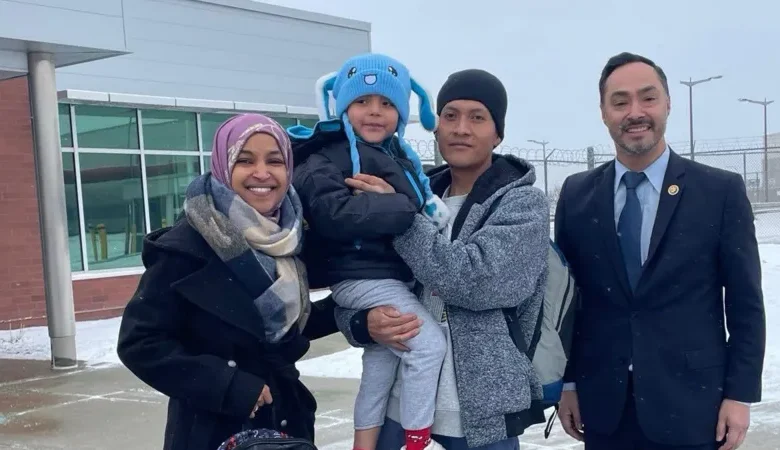
The recent detention of five-year-old Liam Conejo Ramos and his father Adrian Alexander Conejo Arias by ICE in Dilley, Texas, underscores the profound impact immigration enforcement policies can have on children. While the family sought asylum after arriving in the United States from Ecuador in 2024, the boy’s temporary separation from his home, school, and community caused significant emotional distress and sparked national concern.
Texas Congressman Joaquin Castro and Minnesota Congresswoman Ilhan Omar both highlighted the boy’s release, emphasizing the need for humane treatment of children in immigration processes. A US District Judge described the detention as deeply concerning and called for a more orderly and compassionate approach that prioritizes the child’s wellbeing.
The Emotional Toll on the Child
Being detained away from family at such a young age can have severe psychological effects. Children like Liam are especially vulnerable to trauma when separated from parents, familiar environments, and peers. Stress, anxiety, and a sense of insecurity can affect a child’s development, emotional stability, and trust in adults. Even short-term detention can disrupt routines, hinder social growth, and create lasting fear of authority figures.
Protecting Children’s Rights
International and national laws recognize that children have a fundamental right to protection, care, and the preservation of family unity. Safeguarding children in immigration contexts means ensuring that enforcement actions do not compromise their wellbeing. This includes:
-
Avoiding unnecessary detention of children and prioritizing family-based alternatives.
-
Ensuring access to legal support and advocacy so children’s best interests are represented in court or administrative processes.
-
Maintaining continuity in education and community life to minimize disruption to learning and development.
-
Implementing trauma-informed care for children who experience separation or detention.
Suggestions for Government and Enforcement Agencies
This case demonstrates the importance of child-centered policies. Agencies can consider:
-
Clear protocols that prevent the detention of children unless absolutely unavoidable.
-
Training for officers to recognize and respect children’s vulnerability.
-
Collaboration with child protection authorities and social services before taking action in situations involving children.
The conflicting reports over how Liam was approached highlight a broader issue: children’s voices and welfare must always be central in decision-making. Parents’ legal compliance, the child’s safety, and the right to remain with their family should guide enforcement actions.
The Role of Society
Communities, lawmakers, and child welfare advocates play a vital role in monitoring policies and advocating for children’s rights. Public attention and advocacy in this case were instrumental in ensuring the family’s release. These actions underscore society’s responsibility to safeguard children from preventable trauma, even within complex systems like immigration enforcement.
Moving Forward
The case of Liam Conejo Ramos is a reminder that children’s protection cannot be secondary to administrative priorities. Children must be treated as rights holders, not incidental subjects of policy. Humane, child-centered approaches to immigration enforcement are essential to preserve their safety, dignity, and healthy development.
By centering policies on children’s rights, providing oversight, and ensuring accountability, governments can prevent unnecessary trauma and uphold the principle that no child should be harmed or endangered due to administrative procedures.