How Keeping Millions of Children Out of School Is Undermining Nigeria’s Development
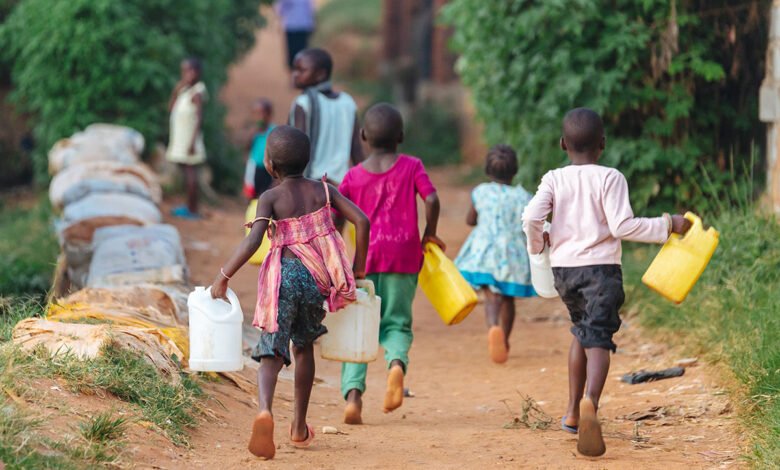
Millions of children in northern Nigeria are being denied more than classrooms and textbooks. According to UNICEF, they are being stripped of a fundamental right that shapes identity, wellbeing, and the future of society itself, as poverty, insecurity, and harmful social norms continue to keep especially girls out of school, threatening both their development and the nation’s long-term progress.
Education as a Fundamental Child Right
The warning, delivered at the 2026 International Day of Education, places renewed attention on education as a core child right rather than a social benefit. The Chief of the Kano Field Office of UNICEF, Rahama Farah, stressed that millions of children in northern Nigeria remain out of school, with girls bearing the heaviest burden. From a child rights perspective, this situation represents a direct denial of children’s right to development, dignity, and equal opportunity.
International frameworks such as the United Nations Convention on the Rights of the Child (CRC) affirm that every child has the right to education directed toward the full development of their personality, talents, and mental and physical abilities. When access to education is obstructed, this right is violated, leaving children vulnerable to long-term harm.
Beyond Learning: The Mental and Emotional Cost
The impact of being out of school extends far beyond missed lessons. Children excluded from education are often exposed to feelings of abandonment, low self-worth, and hopelessness. Without the structure, social interaction, and emotional support that schools provide, many children face heightened risks of anxiety, depression, and social isolation.
According to UNESCO and UNICEF, schools play a critical role in providing psychosocial stability, especially in regions affected by poverty and insecurity. When children are cut off from safe learning environments, they are also cut off from protective spaces where confidence, resilience, and emotional intelligence are nurtured. For girls in particular, prolonged exclusion reinforces harmful norms that limit self-expression and personal agency.
A Threat to National and Global Development
Education has been described by UNICEF as the strongest tool for breaking cycles of hardship. When large populations of children are denied education, the effects ripple outward. Families remain trapped in poverty, communities weaken, and national development stalls. Farah emphasized that education is the bedrock of any progressive society and a foundation for peace and sustainable development.
This concern aligns with the 2030 Sustainable Development Goals, especially Goal 4, which calls for inclusive and equitable quality education for all. If today’s children are unable to develop the skills, confidence, and critical thinking required to navigate the future, tomorrow’s leadership capacity is fundamentally undermined.
Why Girls Are Disproportionately Affected
Girls in northern Nigeria face layered barriers, including cultural expectations, early marriage, domestic responsibilities, and insecurity. International bodies such as UN Women and UNICEF have repeatedly warned that denying girls education has compounding effects. Educating a girl has been shown to improve health outcomes, strengthen economies, and reduce intergenerational poverty. Conversely, excluding girls from school weakens entire communities.
Placing Young People at the Centre
UNICEF has stressed that young people must be central to shaping what education should look like by 2030. Children and adolescents are demanding systems that are inclusive, safe, and empowering. They are calling for classrooms that encourage creativity, teachers who inspire, and curricula that extend beyond textbooks to include life skills, digital literacy, and critical thinking.
By involving youths as partners rather than passive recipients, education systems can become more responsive and relevant to real-world challenges.
The Way Forward
To reverse the crisis, a multi-layered approach is required. Governments must prioritize education funding, ensure safe learning environments, and address poverty-related barriers. Communities and traditional leaders must challenge harmful norms that limit access to education, especially for girls. Development partners must continue supporting school infrastructure, teacher training, and adolescent development programmes.
Mental health support and psychosocial services should also be integrated into education responses to address the emotional scars of exclusion. Education must be treated as both a learning and protection mechanism.
When children are denied education, they are denied the chance to develop fully as human beings. The warning issued by UNICEF is not merely about schools; it is about the future of society. If the leaders of tomorrow are unable to grow intellectually, emotionally, and socially today, development itself is placed at risk. Ensuring every child’s right to education is not optional. It is the foundation upon which a just, stable, and prosperous future must be built.