Child Hero in a Cancer Battle: Fighting for Dad’s Freedom, Exercising Participation Rights
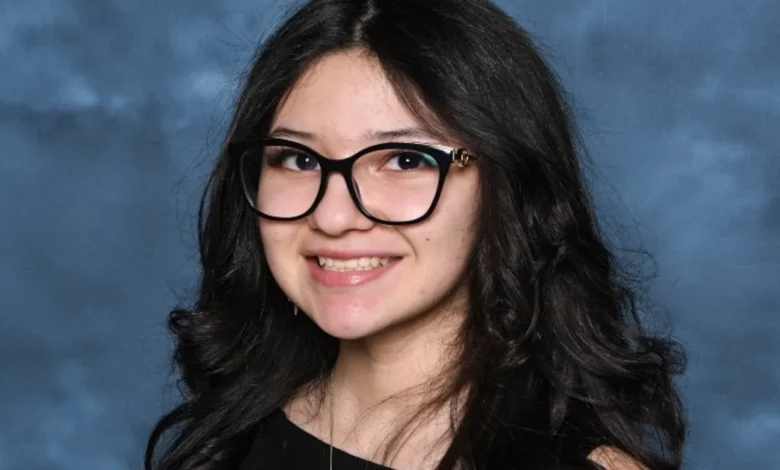
At just 16, Ofelia Torres faced a challenge few adults could endure. Diagnosed with Stage 4 alveolar rhabdomyosarcoma, a rare and aggressive cancer, she confronted not only her illness but also a crisis threatening her family. When her father, Ruben Torres Maldonado, was detained by ICE last October, Ofelia did something remarkable: she posted a heartfelt video on Instagram advocating for his release and raising awareness about other families facing similar struggles.
In the video, she described her father as a hardworking immigrant who cared for the family while she underwent treatment, urging authorities and the public to recognize the human impact of his detention. Her courage resonated widely, showing that children are capable of taking decisive action, even in circumstances that would overwhelm most adults.
Children as Leaders Today
Ofelia’s story challenges the idea that children are simply “leaders of tomorrow.” Leadership, she demonstrated, is about responsibility, moral courage, and action, qualities that can be exercised at any age. By speaking out for her father and for families in her community, she showed that children can influence real change, advocate for fairness, and protect those they love.
Her actions send a clear message to other children: your voice matters today. You are not just preparing to lead in the future; you can lead now, through small but meaningful choices that affect your family, school, and community.
A Lesson for Parents and Caregivers
For parents and caregivers, Ofelia’s life offers a vital reminder: protecting children isn’t only about shielding them from harm, it’s about empowering them to act, make decisions, and take responsibility. By modeling courage, integrity, and service, adults can help children see that their actions have impact, and that advocating for justice and fairness is a shared responsibility.
Ofelia’s bravery demonstrates how children can take on meaningful roles in their own safeguarding and the wellbeing of those around them. When parents encourage their children to express themselves and act ethically, they cultivate the next generation of thoughtful, courageous leaders.
Inspiration for Society at Large
Ofelia Torres’s legacy extends far beyond her immediate family. Her courage reminds society that children are active participants in shaping justice, fairness, and compassion. Her life shows that leadership is not defined by age but by the willingness to act boldly and responsibly, even in the face of personal risk.
In her final days, Ofelia attended a court hearing via Zoom that helped secure her father’s continued stay in the United States. Though she passed away shortly afterward, her example endures as a beacon for children, parents, and communities. She proved that leadership is not something to wait for, it is practiced through courage, advocacy, and service today.
Her story challenges all of us: to listen to children, to trust their capacity for impact, and to create a society where their voices are not only heard but amplified. Ofelia Torres lived, acted, and led, and in doing so, she became a hero, showing the world what a child’s audacity can accomplish.