Over 15 Million Nigerian Children Reached As SARMAAN Project Expands Child Protection Through Health Interventions
As global calls intensify for science-driven approaches to strengthen child protection and safeguarding systems, large-scale health interventions in Nigeria are being highlighted as practical examples of evidence-based action in delivery.
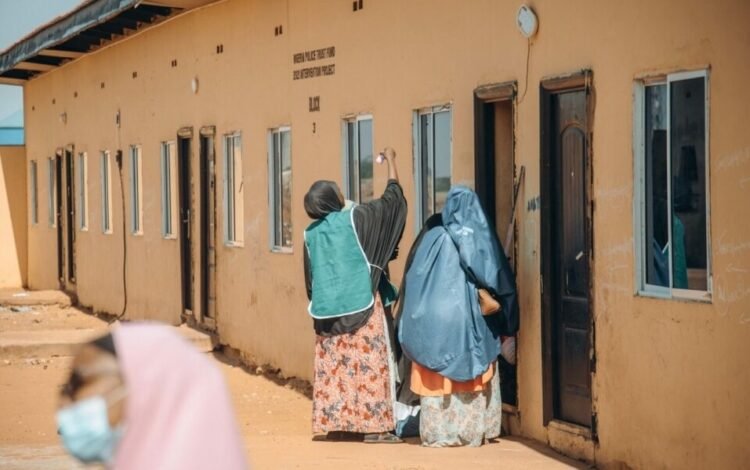
More than 15.76 million unique children aged 1–59 months have been reached across 10 northern states under the SARMAAN Project, as preventive health measures continue to be implemented in line with global priorities emphasising collaboration, data-driven strategies, and improved child health outcomes.
Through Mass Drug Administration (MDA), over 26 million doses of Azithromycin have been administered in communities with limited access to healthcare services. In the first quarter of 2026 alone, about 7.2 million children were reached across Kano, Bauchi, Jigawa, and Kaduna States, as targeted interventions were scaled up to reduce preventable childhood illnesses and deaths.
The interventions are being positioned within broader child safeguarding objectives, where improved access to healthcare is linked to reduced vulnerability among children. By preventing and treating common infections, risks associated with child mortality, developmental delays, and illness-related neglect are being reduced, particularly in underserved and high-risk communities.
Community engagement and trust-building efforts have also been incorporated into the programme, reflecting the growing emphasis on rebuilding confidence in health systems. Through sustained outreach, families are being encouraged to participate in preventive care programmes and respond early to health needs affecting children.
Speaking on the development, the Principal Investigator of the SARMAAN Project and Director of Research at the Clinical Sciences Department of the Nigerian Institute of Medical Research (NIMR), Prof. Oliver Ezechi, said the project reflects the principle that health is both a shared responsibility and a fundamental right.
He noted that the scale of reach demonstrates the impact that can be achieved when scientific evidence is translated into coordinated local action, while stressing the importance of continued system strengthening and community trust.
However, stakeholders have emphasized the need for sustainability and increased national ownership to ensure continuity of interventions and long-term protection of vulnerable children, in line with global efforts promoting science-led health systems and child safeguarding frameworks.