
All Souls’ Day: Honoring the Faithful Departed
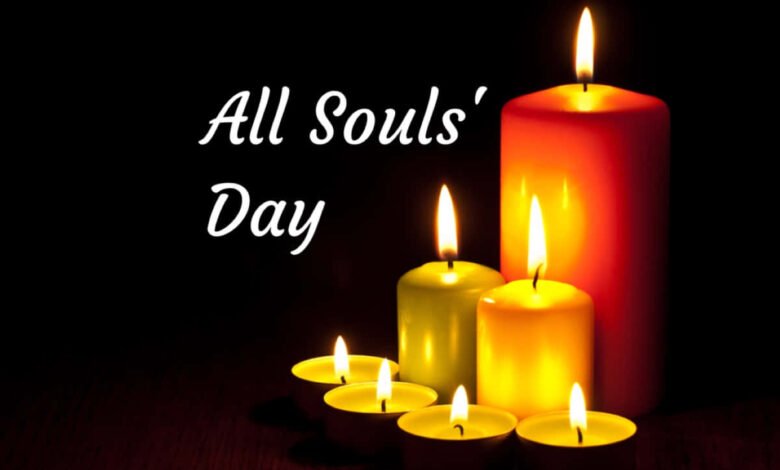
Every year on November 2nd, Christians around the world observe All Souls’ Day, a day devoted to remembering and honoring the faithful departed.
It is a time that inspires reflection, compassion, and a deep sense of connection to the past. The observance offers space to celebrate the lives of those we have lost and to cherish their memory with love.
History of All Souls’ Day
In Christian tradition, All Souls’ Day began as a dedicated day of prayer for the souls of departed believers. The practice was formalized in the late tenth century, when the day following All Saints Day was set aside for prayers on behalf of the dead.
Over the centuries, this tradition spread across Western Christendom. Families commonly visit cemeteries, bring flowers, and light candles, while churches hold special services. These rituals are more than solemn gestures; they express enduring hope and affirm the spiritual bond that continues between the living and those who have gone before us.
What Makes All Souls’ Day Significant?
All Souls’ Day invites us to remember not only those who have died but also to reflect on the ongoing communion between the living and the faithful departed. It reminds us that our lives are interwoven with those who came before us.
It is a moment when hope, memory, and faith meet: hope for eternal life, faith in God’s promise, and loving remembrance of family and friends now at rest.
This observance encourages us to pause amid our busy routines and honor the legacies of those whose memory shapes us still. It calls for empathy, humility, and appreciation of the continuity binding families, communities, and the larger body of believers.
- It creates a space where people can remember loved ones by name.
- It establishes a shared tradition between the living and the dead.
- It emphasizes the importance of continuity in family and community history.
- It allows for personal reflection within a communal observance.
- It recognizes that death affects everyone.
Death as a Transition, Not an End
According to Christian teaching, death is not a final ending but a transition. The body may perish, yet the soul continues its journey toward eternal life with God. For believers, this truth provides deep comfort; their loved ones are not lost but rest in divine care.
This spiritual passage frees the soul from earthly limitations and opens the way to heavenly joy. For many, this promise offers peace in times of grief.
Christian doctrine also teaches the resurrection of the body, when, in God’s perfect time, the faithful will receive glorified bodies. This assurance transforms earthly goodbyes into temporary partings, filled with hope rather than despair.
Conclusion
All Souls’ Day brings believers into a sacred moment of remembrance. Through prayer, quiet reflection, and simple acts of devotion, we honor the faithful departed. These expressions of love remind us that our relationships do not end with death; they endure through faith and memory.
Their stories become part of ours, urging us to live with kindness, gratitude, and hope. All Souls’ Day is not merely a day of mourning; it is a celebration of the lives of those who have gone before us, who have fought the good fight of faith and now rest in God.