World Asthma Day: Asthma Crisis Deepens in Nigeria as Experts Warn High Inhaler Costs Put Millions of Children at Risk
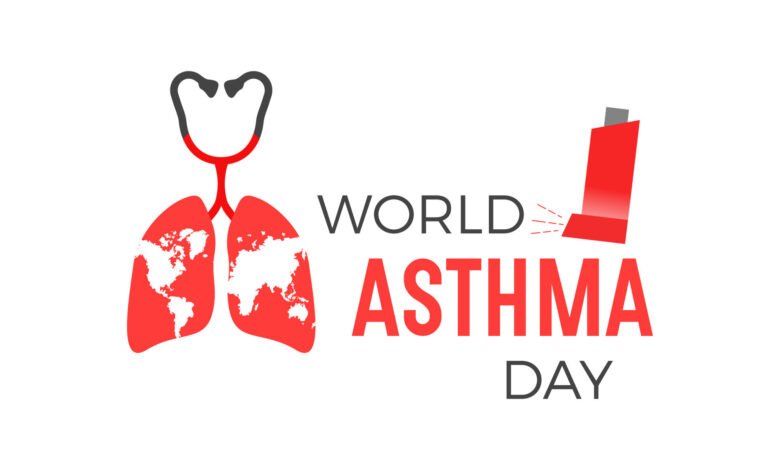
Health experts in Nigeria have raised concerns over the rising cost of asthma treatment, warning that many patients may struggle to access life-saving inhalers as the country marks World Asthma Day 2026.
Pulmonologists say the high price of anti-inflammatory inhalers, which are essential for controlling asthma, is forcing many patients into poor or incorrect treatment options. They warn that some patients are relying only on reliever inhalers, which temporarily ease symptoms but do not treat the underlying lung inflammation.
Specialists also highlight issues such as low availability of inhalers, poor awareness among the public and healthcare providers, and incorrect prescriptions as major barriers to effective asthma care. They further note that stigma around inhaler use is preventing some patients from seeking proper treatment.
According to experts, asthma affects an estimated 30 million Nigerians, yet many cases remain undiagnosed or poorly managed. They are calling for improved public education, better training for healthcare workers, stronger health insurance coverage, and increased government support to make treatment more affordable.
From a child protection and safeguarding perspective, the crisis around asthma care raises serious concerns for children living with the condition. Rising treatment costs and limited access to inhalers mean that many children may not receive the consistent medical support they need to stay safe and healthy.
Children with asthma are particularly vulnerable in school environments where exposure to dust, poor ventilation, or sudden triggers can lead to severe attacks. Without proper access to preventive inhalers and trained caregivers, these situations can quickly become life-threatening.
Safeguarding experts stress that schools must be equipped not only with awareness but also with clear response systems, including access to emergency medication and trained staff who can recognize early warning signs. Early diagnosis is also critical, as many children with symptoms remain undetected and untreated.
There is also concern about stigma, as some children may be discouraged from using inhalers due to misconceptions. This can lead to untreated conditions and increased health risks.
Ultimately, protecting children with asthma requires more than medical treatment, it demands a coordinated safeguarding approach involving families, schools, healthcare providers, and government support systems to ensure no child is left at risk due to cost or lack of awareness.