Australian Teens Challenge Social Media Ban in High Court

Australia is heading into a historic legal showdown as two 15-year-olds challenge the country’s new social-media ban for children, arguing it strips them of a fundamental right: the ability to communicate freely in the digital spaces where young people live, learn, and connect.
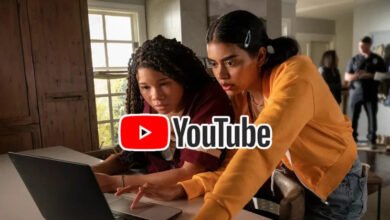
Under the law, set to take effect on 10 December, platforms such as Meta, TikTok, and YouTube must block anyone under 16 from having an account. Supporters say the measure is necessary to shield children from harmful content and manipulative algorithms. But for two teens, the ban feels more like erasure than protection.
“We shouldn’t be silenced. It’s like Orwell’s 1984, and that scares me,” one of them said, capturing the frustration of young people who feel they are being locked out of their own social world.
Despite the legal challenge, Communications Minister Anika Wells insists the government will not back down, vowing to stand firm “on behalf of Australian parents.”
Yet advocates from the Digital Freedom Project warn that the blanket ban will hit vulnerable groups hardest, children with disabilities, First Nations youth, and young people in remote areas who rely on social media for community and information.
Their case argues that the law’s sweeping restrictions burden political communication and ignore less intrusive solutions: digital literacy education, platform safeguards, and privacy-respecting age-assurance technology. As one of them put it, the ban feels like a “lazy” response to a complex problem. “We are the true digital natives… They should protect children with safeguards, not silence.”
While many Australian adults support the ban, experts caution that cutting young people off entirely may create bigger risks, driving them toward unregulated online spaces and severing vital lines of connection.
At its core, the case is about whether protecting children requires empowering them, not muting them. And it raises a central principle of the UN Convention on the Rights of the Child: every young person has the right to freedom of expression and access to information.