Beneath Lagos Bridges: Hidden Communities of Street Children Expose Deepening Child Protection Crisis
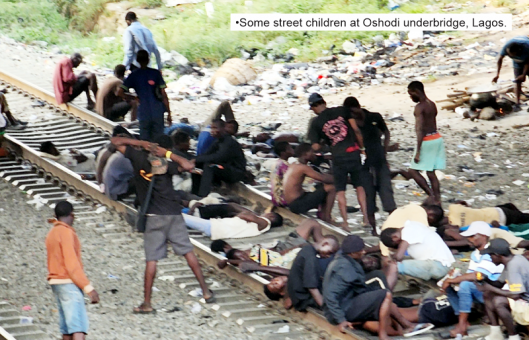
LAGOS — Beneath the busy bridges of Oshodi, hundreds of street-connected children and youths are carving out makeshift communities, raising fresh child protection concerns in Nigeria’s commercial capital.
Hidden under flyovers and rail tracks, these informal settlements have become home to children who fled poverty, abuse, trafficking, or family breakdown. While many band together for safety, experts warn that peer protection cannot replace structured safeguarding systems.
Child rights advocates say children living on the streets face heightened risks of sexual exploitation, substance abuse, forced labour, trafficking, and recruitment into criminal activity. Without access to stable housing, education, healthcare, or responsible adult supervision, they remain exposed to daily harm.
Nigeria already has one of the world’s highest numbers of out-of-school children, a crisis that protection specialists describe as directly linked to rising street migration. “When children are excluded from education and social safety nets, vulnerability increases sharply,” a child welfare expert said, stressing that prevention must go beyond periodic rescue operations.
Lagos State authorities say they are responding through rehabilitation centres, biometric registration, and youth empowerment programmes aimed at reintegration. Officials maintain that children are treated as victims in need of care rather than as criminals.
However, safeguarding advocates argue that long-term solutions require stronger family support systems, poverty reduction strategies, accessible education, and community-based child protection structures.
They warn that failure to address the growing population of street-connected children could deepen social instability in the years ahead.
For many of the children under Lagos bridges, survival depends on fragile networks of solidarity. Experts insist that meaningful protection will depend on whether institutions can match that resilience with sustained, child-centred intervention.