Beyond World Down Syndrome Day: UN Champions Child Rights and True Inclusion
As global reflections continue after World Down Syndrome Day, attention has shifted to the series of events that marked the day, highlighting the urgent need to uphold the rights of children with Down syndrome. Key among them was the gathering at the United Nations Office at Geneva between 19 and 21 March 2026, where governments, civil society groups, and advocacy organizations convened to push for stronger inclusion policies.
These engagements, held in the lead-up to March 21, reinforced the global commitment to advancing the principles of the United Nations Convention on the Rights of Persons with Disabilities, particularly as they relate to children. Discussions focused on persistent gaps in access to healthcare, early intervention, and inclusive education, critical rights that remain out of reach for many children with Down syndrome.
Building on this momentum, stakeholders are set to reconvene on 23 March 2026 at the United Nations Headquarters for the 15th World Down Syndrome Day Conference, hosted by the Down Syndrome International. While the official day has passed, the continued engagements signal that the conversation around inclusion and child rights must extend beyond a single date.
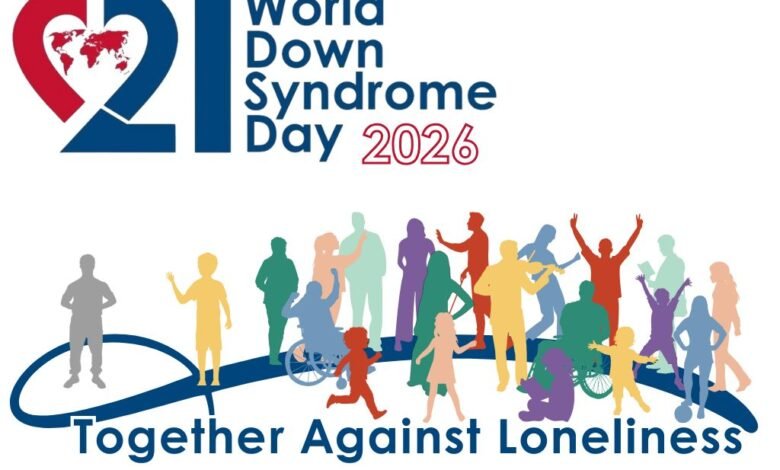
Central to this year’s discussions is the theme “Together Against Loneliness,” which frames social isolation as a pressing child-rights issue. Experts at the Geneva events emphasized that many children with Down syndrome experience exclusion not only in society but within schools and social spaces, where they are physically present yet socially disconnected. This, they noted, undermines their right to participation and belonging.
These post-event engagements are critical. They shift the focus from awareness to accountability, urging governments and institutions to translate commitments into measurable outcomes. Ensuring that children with Down syndrome are included in education systems, protected from discrimination, and supported to thrive is not optional, it is a legal and moral obligation.
Ultimately, the continued global activities following March 21 underscore a clear message: the rights of children with Down syndrome cannot be confined to a single day of recognition. Sustained action is required to ensure that every child is not only included but truly valued in society.