Children in the Crosshairs: U.S. Embassy Warns of Terror Threat Against Schools in Nigeria
A security alert issued by the U.S. Mission Nigeria on March 9, 2026 has raised alarm about the safety of children attending American-affiliated schools — reigniting urgent questions about child safeguarding in conflict-adjacent environments.
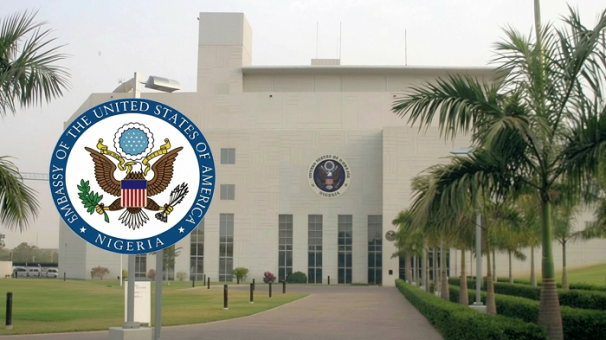
The United States Embassy in Abuja has issued a formal security alert warning of a possible terrorist threat against U.S. government facilities and American-affiliated schools across Nigeria. The alert, published on March 9, 2026, has placed the safety of thousands of children, many of them enrolled in international schools, at the centre of a terror risk.
The threat specifically names schools as potential targets, a detail that child safeguarding experts say transforms what might otherwise be a standard diplomatic security advisory into a matter of urgent child protection concern.
What the Alert Says
The U.S. Mission Nigeria advisory instructs American citizens in the country to adopt heightened precautions when travelling to the U.S. Embassy in Abuja, the U.S. Consulate General in Lagos, and, critically any U.S.-affiliated schools. The Embassy has stopped short of closing these institutions or issuing an evacuation order, but the language of the alert is unambiguous in its severity.
Recommended protective measures from the Embassy include:
- Varying travel times and routes to avoid predictable patterns
- Maintaining heightened awareness of surroundings at all times
- Reviewing personal and family security plans
- Keeping mobile phones charged for emergency communication
- Avoiding crowds and public demonstrations
- Familiarising oneself with emergency exits upon entering any building
Children as a Target: The Child Safeguarding Dimension
The explicit inclusion of schools in a terrorism threat advisory triggers a set of child safeguarding obligations that go beyond ordinary security protocols. Under international child protection frameworks, including the United Nations Convention on the Rights of the Child (UNCRC), children are entitled to special protection in situations of risk, including the right to be kept safe from violence, to have their best interests prioritised, and to receive information about dangers in a manner appropriate to their age.
Child safeguarding experts note that terrorist threats directed at educational environments carry a compounded harm: beyond the immediate physical danger, children exposed to fear, uncertainty, and disruption of their schooling can suffer lasting psychological effects. Anxiety, trauma, and a breakdown of trust in safe spaces, particularly schools, are well-documented consequences of security crises affecting children.
The Embassy’s advisory, while directed at adult citizens, implicitly calls on parents and guardians to include children in family security planning discussions, a step that, if handled poorly, can itself cause distress. Child-friendly communication frameworks recommend that adults speak with children about safety in calm, honest, and age-appropriate terms, avoiding language that amplifies fear while ensuring children understand what to do in an emergency.
Key Child Protection Concerns
Several dimensions of the threat carry specific child safeguarding implications:
- Right to Education Under Threat: A credible security threat against schools places children’s access to safe, uninterrupted education in jeopardy. Displacement from learning environments, even temporarily has measurable impacts on academic continuity and child well-being.
- Duty of Care on Schools and Authorities: International-standard schools operating in high-risk environments carry an elevated duty of care. This includes robust emergency response plans, trained safeguarding officers, regular security drills conducted in a child-sensitive manner, and clear communication protocols with parents.
- Psychosocial Impact on Children: The knowledge that their school may be a target can cause significant anxiety in children. Schools and families are urged to ensure that appropriate psychosocial support is available and that children have trusted adults they can speak to.
- Child-Friendly Information: Children should not be left to learn about threats through adult news sources or social media. Schools and parents have a responsibility to provide clear, calm, and age-appropriate guidance, explaining what precautions are being taken and how children can help keep themselves safe.
- Monitoring for Vulnerability: In heightened security situations, children, particularly those who are unaccompanied, separated from caregivers, or from marginalised communities — face elevated vulnerability. Safeguarding systems must account for these heightened risks.
What Authorities Are Saying
The U.S. Embassy has confirmed that both the Consular Section in Abuja and the Consulate General in Lagos remain open and operational. The Mission has pledged to provide updates through its official website and social media channels and has urged U.S. citizens to enrol in the Smart Traveler Enrollment Program (STEP), a free service that allows American nationals abroad to receive security alerts and facilitates contact in the event of an emergency.
No group has been publicly identified as responsible for the threat at the time of publication. The Embassy has not disclosed the source or nature of the intelligence underpinning the alert.
What Parents and Schools Should Do Now
From a child safeguarding perspective, the following immediate steps are recommended:
- Schools should activate or review their Child Safeguarding and Security Emergency Plans immediately, ensuring all staff know their roles.
- Parents should speak with their children calmly and honestly, using simple language that acknowledges the situation without inducing panic.
- Children should be told who to contact in an emergency and what safe behaviours look like, without placing responsibility or fear on the child.
- Schools should provide written guidance to parents outlining the security measures in place, so families can make informed decisions.
- Psychosocial first aid resources should be made available to children and staff who are anxious or distressed.
- Families should register with the U.S. Embassy through STEP and maintain updated emergency contact plans.
Emergency Contacts
U.S. Embassy Abuja: +234 209 461 4328 (hours) | +234 209 461 4000, press 0 (after hours) | AbujaACS@state.gov
U.S. Consulate General Lagos: +234 201 460 3400 | LagosACS@state.gov
U.S. State Department: +1 888-407-4747 | +1 202-501-4444
This story will be updated as more information becomes available. Families and schools in Nigeria are urged to monitor the U.S. Embassy Nigeria website at ng.usembassy.gov for the latest official updates.