“Children Must Thrive, Not Just Survive” as Jigawa Pushes School WASH Revolution

A renewed push to protect children’s health, dignity and right to education has been unveiled in Jigawa State, as the government declared that children must not only survive but thrive, placing safe water, sanitation and hygiene at the center of child protection and learning.
WASH as a child protection priority
The Jigawa State Government has declared access to Water, Sanitation and Hygiene (WASH) in schools a core child safeguarding responsibility, particularly for girls whose education is often disrupted by poor sanitation.
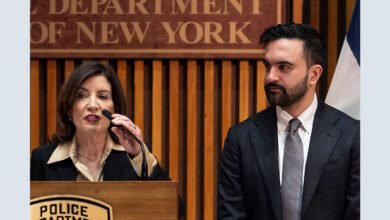
Governor Umar Namadi said his administration is intensifying efforts to ensure pupils are protected from preventable disease, absenteeism and exclusion linked to unsafe school environments. His message was delivered by the Technical Adviser on Basic Education, Dr Hauwa Mustapha Babura, during a media dialogue organised by the United Nations Children’s Fund (UNICEF) following a tour of schools and Primary Health Care WASH facilities across the state.
It was emphasised that WASH goes beyond infrastructure. It directly affects children’s health, dignity, safety and ability to learn, making it a fundamental child rights issue.
“Children should not only survive; they must thrive in good health,” the governor stated, noting that safe toilets and clean water are essential for keeping children, especially girls, in school.
Girls at the centre of the crisis
From a child safeguarding perspective, inadequate sanitation exposes children to diarrhoeal diseases, dehydration, infections and psychological stress. Girls are disproportionately affected, often missing school during menstruation due to lack of privacy, clean water and disposal facilities.
Experts warn that schools without functional WASH facilities increase the risk of dropout, learning gaps and long-term inequality, undermining the right of every child to education and development.
Government pledges reforms and targets
The Chairman of the Jigawa State Universal Basic Education Board (SUBEB), Prof Haruna Musa, acknowledged existing challenges in school infrastructure and sanitation but assured that deliberate reforms are underway.
He said the state aims to achieve 100 per cent WASH coverage in schools by 2030, aligning with the Sustainable Development Goals.
According to SUBEB data, Jigawa has 2,727 primary schools with 6,585 toilets, while 618 junior secondary schools have 2,104 toilets. While these figures reflect progress, experts stress that functionality, maintenance and equitable access remain critical gaps.
“Learning cannot stop because of challenges, but those challenges must be addressed to protect children,” Musa said.
UNICEF raises alarm over national data
UNICEF’s Advocacy and Risk Communication Specialist, Dr Sussan Akila, commended Jigawa for being Nigeria’s first Open Defecation Free (ODF) state, describing it as a strong foundation for child health and protection.
However, she warned that national data remains alarming. A 2021 WASH survey showed that only 11 per cent of schools nationwide have basic WASH facilities, while Jigawa records just 2 per cent.
“These conditions expose children and women to serious health risks and negatively affect enrolment and retention,” she said.
Why WASH is a child rights issue
Child rights advocates argue that access to clean water and safe sanitation is inseparable from the child’s right to survival, development and protection. Without WASH, schools risk becoming unsafe spaces where children’s health, dignity and wellbeing are compromised.
Sustained investment in WASH, experts say, improves attendance, reduces disease, supports mental wellbeing and creates safe learning environments where children can reach their full potential.
Beyond survival to dignity and growth
As Jigawa strengthens its WASH commitment, stakeholders say the effort represents more than meeting global targets. It reflects a broader responsibility to protect children and preserve childhood.
When schools are clean, safe and dignified, children are not merely surviving. They are being protected, respected and given the opportunity to thrive.