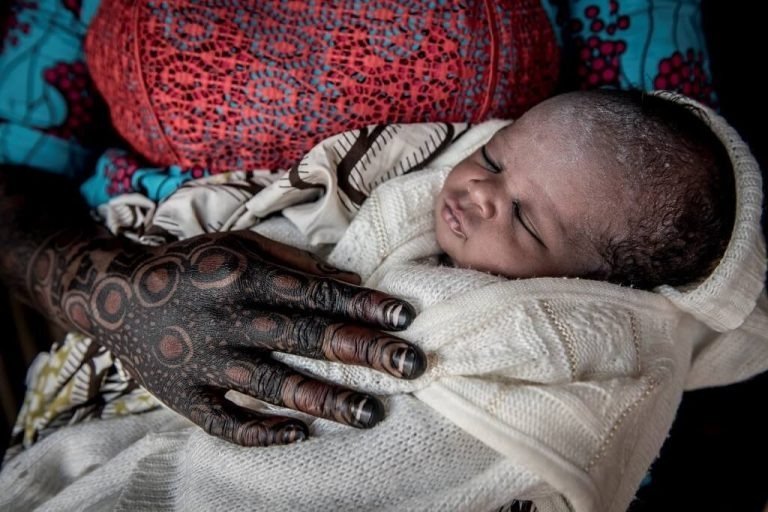
Debate Continues Over Child Safety in Nigerian Hospitals Following Adichie’s Son’s Loss

The loss of the young son of renowned writer Chimamanda Ngozi Adichie has reignited national concern over the protection of children’s right to life and safety within Nigeria’s healthcare system, drawing renewed attention to the standards that govern pediatric care and medication use.
Reacting to the incident, the Association of Hospital and Administrative Pharmacists of Nigeria (AHAPN) described the case as a serious patient-safety concern that underscores the vulnerability of children in medical settings. In a statement, the association said emerging details raise questions about adherence to internationally accepted pediatric anesthesia and medication safety standards, particularly regarding the reported use of propofol in a child under the age of three.
According to AHAPN, global guidelines caution against the prolonged or continuous use of certain high-risk sedatives in very young children due to the risk of severe and potentially fatal complications. The group emphasized that protecting a child’s right to life extends beyond access to healthcare and includes ensuring that treatment is delivered within safe, regulated, and closely monitored frameworks.
While stressing that investigations must be thorough and evidence-based, the pharmacists’ body urged caution against drawing premature conclusions before due process is completed. It noted that accountability in healthcare must strike a balance between individual clinical judgment and institutional safeguards designed to prevent avoidable harm.
AHAPN also highlighted broader governance concerns, arguing that child safety in hospitals depends on strong multidisciplinary oversight, where responsibilities for prescribing, administering, and monitoring high-risk medicines are clearly separated. From a child protection perspective, the association said such checks and balances are essential to reduce systemic risks and uphold ethical standards of care.
Calling for an independent and transparent probe, AHAPN maintained that pediatric patients are entitled to the highest level of protection under both ethical and legal frameworks. It added that lessons from the case should inform reforms aimed at strengthening medication governance and reinforcing child-centered safety practices across Nigerian hospitals.
Expressing condolences to the bereaved family, the association concluded that safeguarding children’s right to life in healthcare settings requires collective responsibility, collaboration among health professionals, and an unwavering commitment to internationally recognized safety standards.