Life of Children at Risk as Doctors’ Strike Begins Today, Disrupting Healthcare Services in Nigeria
Nigeria’s latest nationwide strike by the Nigerian Association of Resident Doctors is raising urgent child protection concerns, as disruptions to hospital services threaten access to life-saving care for children.
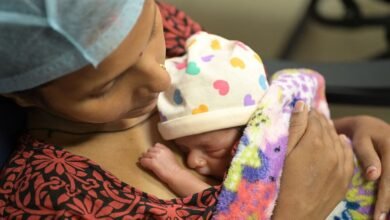
Resident doctors are often the first point of contact in public hospitals, especially in emergency units, pediatric wards, and neonatal care. With their withdrawal from duty, children requiring urgent medical attention, including those with severe infections, malnutrition, or birth complications, face delays that could prove fatal.
The strike, driven by unpaid allowances and policy reversals by the Federal Government, highlights a recurring breakdown in agreements that directly impacts vulnerable populations. For children, particularly those from low-income families who rely heavily on public healthcare, the consequences are immediate and severe. Missed treatments, delayed diagnoses, and overcrowded alternative facilities increase the risk of preventable deaths and long-term health complications.
Beyond physical health, the disruption also affects broader safeguarding systems. Hospitals often serve as critical points for identifying and responding to child abuse, neglect, and exploitation. With reduced staffing, fewer cases may be detected, leaving at-risk children without protection or intervention.
The ongoing crisis also places additional strain on already overstretched healthcare workers who remain on duty, potentially compromising the quality of care delivered to children. In rural and underserved areas, where healthcare access is already limited, the impact is even more pronounced.
While the association has indicated a willingness to suspend the strike if the government reverses its decision, the immediate reality is one of uncertainty. Each day of service disruption increases the risks faced by children who depend on timely, consistent, and quality healthcare.
This situation underscores the urgent need for sustainable healthcare policies that prioritize not only workers’ welfare but also the protection and well-being of Nigeria’s most vulnerable population, its children.