First Breath at Risk: Unsafe Birth Conditions Turn Delivery Rooms Into Deadly Threats for Mothers and Babies
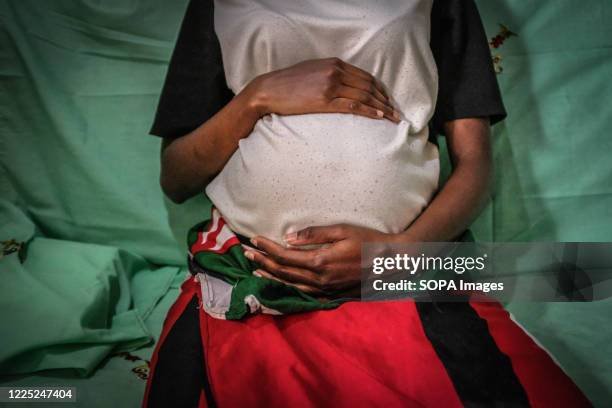
The findings from WaterAid’s “Born without water” report reveal a critical but often overlooked child protection issue: unsafe childbirth conditions that endanger both mothers and newborns from the very first moments of life.
Across sub-Saharan Africa, the lack of clean water, sanitation, and hygiene in maternity wards is not just a health systems failure, it is a safeguarding crisis that exposes infants to preventable infections and undermines their right to a safe start in life.
When babies are delivered in environments without basic hygiene, they face immediate risks of sepsis and other life-threatening infections. At the same time, maternal illness or death significantly increases a child’s vulnerability, leaving newborns at greater risk of neglect, malnutrition, and long-term developmental harm. Safeguarding, therefore, must begin at birth, ensuring that both mother and child are protected through safe, clean, and dignified care.
The report highlights that three out of four births in the region take place in unsafe conditions, with healthcare workers often forced to assist deliveries without proper handwashing facilities, clean equipment, or sanitation. These gaps compromise infection prevention and directly threaten child survival. From a safeguarding standpoint, this reflects systemic neglect, where preventable risks are allowed to persist despite known, affordable solutions.
Access to clean water, soap, and safe sanitation in healthcare facilities is one of the most basic forms of protection for newborns. Investing in these essentials is not only a public health priority but a fundamental safeguarding measure that can prevent millions of infections and thousands of deaths each year.
Protecting children starts with protecting mothers. Ensuring safe childbirth conditions is a clear, achievable step toward safeguarding the lives, health, and futures of the most vulnerable.