France Moves Toward Under-15 Social Media Ban as Child Protection Concerns Shape Debate
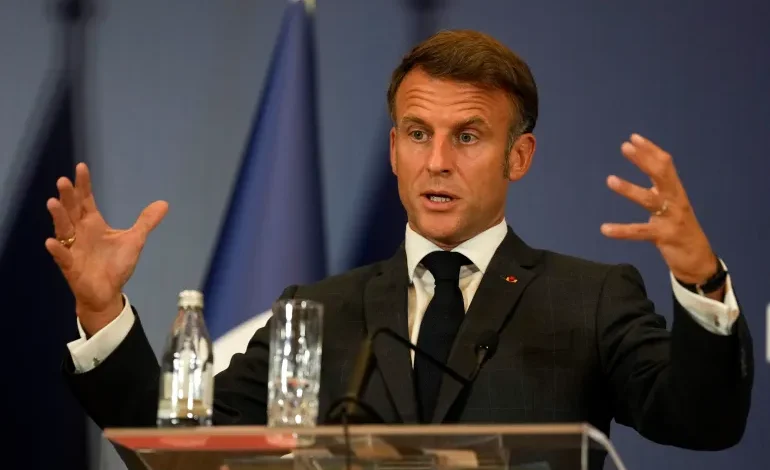
France is edging closer to introducing a nationwide ban on social media access for children under the age of 15, as lawmakers in the Senate debate a proposal backed by President Emmanuel Macron.
If passed, the legislation would mark one of the strongest regulatory steps in Europe aimed at limiting children’s exposure to online platforms.
The proposed law forms part of a broader child protection and safeguarding response to growing concerns about the impact of social media on young users. Supporters argue that restricting access could reduce exposure to harmful content, addictive platform design, and potential online exploitation, while also encouraging healthier digital habits during formative years.
The debate follows increasing scrutiny of how social media companies operate, particularly around algorithm-driven content and its influence on user behaviour.
A recent court ruling in the United States, where major platforms were found liable in a case involving alleged social media addiction, has further intensified global discussions on platform accountability and the safety of younger users.
While the French government has signalled support for a comprehensive restriction, some lawmakers have raised concerns about balancing protective measures with children’s rights to access information.
The Senate is expected to examine whether a blanket ban is the most appropriate approach or whether amendments may be needed to refine how the policy is implemented.
From a safeguarding perspective, the proposal reflects a growing international shift toward proactive regulation of children’s online environments. However, questions remain about enforcement, age verification mechanisms, and whether access restrictions alone are sufficient without parallel efforts to improve platform safety, content moderation, and digital literacy.
If adopted, the legislation would position France among a small number of countries taking direct legislative action to limit social media use among children, signaling an evolving policy landscape where child protection considerations are increasingly shaping digital governance.