
How a Cheap Gas Station Opioid Sent a Teen to Rehab Instead of College
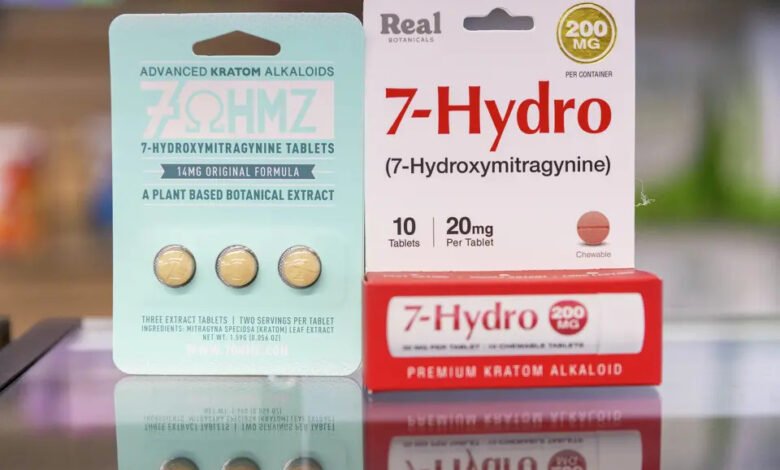
A dangerous new drug, 7-OH, nicknamed “gas station heroin,” is spreading across the U.S. and hooking young people with alarming speed. Sold in candy-colored packaging, with no age restrictions, it’s up to 22 times stronger than morphine. Teenagers can buy it as easily as an energy drink.
One Bay Area teen, 18-year-old Jeremy Rivers, tried a single pill at a gas station near home. Within months, he was spending thousands, spiraling into addiction, and entering rehab on the same day he was supposed to start college. His 16-year-old brother became addicted too.
California and Florida have begun cracking down, and the FDA has recommended making 7-OH a Schedule I substance. But enforcement lags behind the market: despite seizures and warnings, the drug remains widely available, often displayed openly in stores frequented by youth.
Parents describe feeling powerless. Healthcare providers say detox is intense, relapses are common, and many treatment centers don’t yet know how to respond.
Poison control centers report growing numbers of exposure cases, including seizures and respiratory depression. Authorities in Los Angeles have already linked multiple deaths to 7-OH, including that of a 19-year-old.
Advocates are divided between banning the drug entirely and regulating it to keep it out of children’s hands. Meanwhile, young people continue to face an unchecked opioid threat sitting on shelves within walking distance of their schools and homes.
This situation is a direct violation of the child’s right to protection from harmful substances under the UN Convention on the Rights of the Child (UNCRC). Governments are obligated to safeguard children from narcotic drugs and prevent their exposure to substances that put their health, development, and lives at risk.