
How to Help Your Child Adjust to a New School
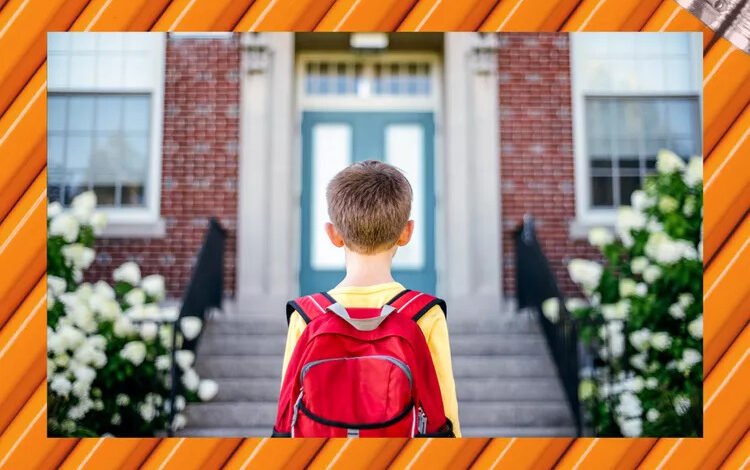
At the end of third grade, my parents announced we were moving, just a mile away, into a house with a pool. I wasn’t worried. Same grocery store, same area, what could possibly change?
Everything, as it turned out. Our new house was zoned for a different school. Suddenly, I wasn’t just moving houses; I was going to be ‘the new kid’ in school.
I cried hysterically. A new home, a new baby sister, and now a new school? It was too much. I begged my parents to let me stay at my old school, but I had no choice. That was 37 years ago. I adjusted, made friends, and my very best friend today is the first person I met at that new school. But the sting of that transition? I still remember it.
Experts remind us that even if children are excited, change is not always easy.
Practical Tips to Ease the New School Transition
1. Validate Your Child’s Feelings
Children may feel nervous, sad, or even angry about leaving their old school. Let them know those feelings are normal. Instead of brushing it off with “You’ll be fine,” acknowledge their emotions and reassure them that you’ll be by their side through it all.
2. Keep Communication Open
Encourage your child to talk about what’s worrying them, whether it’s making new friends or missing their old teacher. Ask gentle questions to understand what feels hardest, and brainstorm together what might help. Sharing your own childhood experiences as “the new kid” can also show them they’re not alone.
3. Provide Closure at the Old School
Saying goodbye is important. Let your child decide how, whether it’s hugging a favorite teacher, taking one last walk through the halls, or putting together a scrapbook of school memories. Some children may want a farewell party; others may prefer something private and low-key.
4. Learn About the New School Together
Explore the school website, walk the halls if possible, and talk through the daily routines. Knowing what to expect, like where the lunchroom is or how pickup works, can ease a lot of “first day” jitters.
5. Connect With the School Community
The transition isn’t just for children; parents benefit too. Attend events, join the PTA, or hop into school or neighborhood parent groups. Making connections helps your child feel supported and gives you a network of other parents to lean on.
6. Role Play Being the “New Kid”
Practice introductions and classroom scenarios at home using toys or role play. For younger children, this builds confidence in saying things like, “Hi, I’m Sam, can I play with you?” For older children, it helps them rehearse how to approach group work or new teachers.
7. Make the First Day Feel Special
Some children like a celebratory breakfast or a new backpack; others prefer a calm, low-key start without much fuss. The key is to do something that matches your child’s personality so they feel supported but not pressured.
8. Let Friendships Grow Naturally
Don’t push your child to “make friends fast.” Friendships take time and usually form during class, lunch, or activities. Encourage them to join at least one activity, but be patient if it takes weeks before they find their circle.
9. Practice Patience
Adjusting to a new school doesn’t happen overnight. Research shows it can take about two months for children to settle in socially and academically. Be patient, support their pace, and remember: it’s okay if they take time to warm up.