
Is Connecting Nigerian Schools to Reliable Internet the Way Forward for Education? A Closer Look at Implications for Child Development
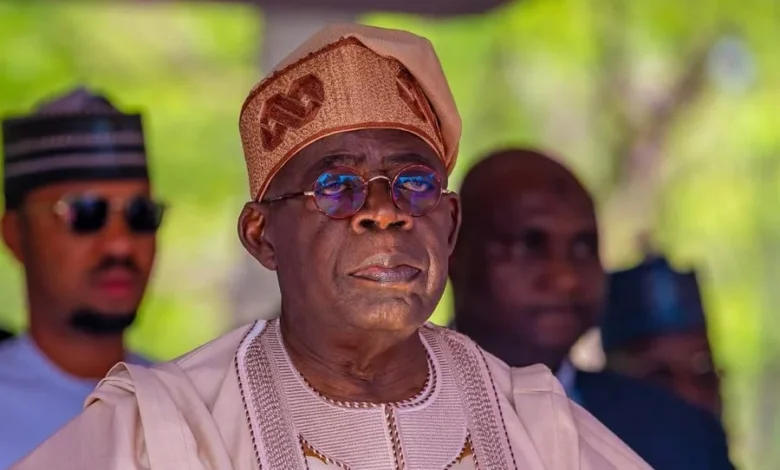
The Federal Government of Nigeria has unveiled a major initiative to connect schools nationwide to reliable internet services, aiming to integrate digital learning and emerging technologies, including artificial intelligence, into the education system. Announced following a directive by President Bola Tinubu, the program seeks to accelerate broadband expansion and ensure that educational institutions at all levels, from primary schools to universities, benefit from the country’s growing digital infrastructure.
According to the Ministry of Education and the Ministry of Communications, Innovation and Digital Economy, this plan builds on earlier efforts by the Nigerian Research and Education Network (NgREN), which connected tertiary institutions via World Bank funding. Officials emphasized that connectivity involves not just fibre broadband but also telecom towers, satellite systems, and other digital infrastructure. Currently, the government is deploying approximately 90,000 kilometers of fibre, 3,700 telecommunications towers, especially in rural areas, and expanding satellite capacity to extend coverage to underserved communities.
Two technical working groups have been created: one to focus on tertiary institutions, the other on primary and secondary schools. The initiative aims to provide students and teachers access to digital platforms, global academic resources, and modern educational technologies, while also supporting reforms like the transition to fully computer-based national examinations within the next two to three years.
Is This Truly the Way for Education?
While the initiative represents a bold step toward digital modernization, Nigeria faces longstanding challenges that raise questions about its timing and effectiveness. According to UNICEF, as of 2025, over 10 million Nigerian children are out of school, making the country home to the largest population of out-of-school children in the world. For many of these children, basic access to classrooms, textbooks, and qualified teachers remains a more urgent priority than high-speed internet.
From a child development perspective, digital tools can enhance learning, improve literacy, and prepare children for a technology-driven economy, but only if foundational educational needs are met first. Without adequate teachers, learning materials, and safe learning environments, digital infrastructure alone cannot guarantee improved outcomes or support the child’s right to quality education.
Implementation Policies: How Will This Work?
The government has signaled several strategies: integrating schools into national fibre and telecom expansions, ensuring coordination between education and communications ministries, and creating specialized working groups to accelerate deployment.
Yet, practical questions remain. Will every school, especially in rural and conflict-affected areas, receive functional internet and the devices needed to use it? How will teachers be trained to effectively use digital tools in classrooms? What policies will ensure ongoing maintenance of infrastructure so that internet connectivity doesn’t fail after initial installation?
Without clear implementation frameworks, the initiative risks becoming another short-lived project, a “policy for headlines” rather than a sustained effort that strengthens child development.
Election-Year Politics or Lasting Policy?
Some critics have raised concerns about the timing. With elections approaching, there is a risk that such programs could be promoted for political gain, leaving children and schools dependent on promises that may fade post-election. Historically, Nigeria has seen multiple education policies announced with fanfare but stalled due to funding gaps or political transitions.
For child rights advocates, sustainable education reform requires continuity beyond electoral cycles, backed by legislation, secure funding, and transparent monitoring.
Environmental and Practical Constraints
Even with the best intentions, Nigeria’s environment poses challenges. Many rural schools lack proper classrooms, electricity, or trained staff. Installing internet is only effective if basic infrastructure exists. Constant fuel price hikes increase operating costs for generators, transport, and logistics. Telecom companies may also raise costs, making connectivity expensive for schools.
While Nigeria has eight international submarine cables, the highest in Africa, capacity distribution remains uneven. Internet access may be fast in urban centers but intermittent or unavailable in remote areas. These factors could undermine the promise of a fully connected school system if not addressed alongside broadband deployment.
Does the Current Curriculum Support Digital Learning?
Nigeria’s national curriculum has yet to fully integrate digital pedagogy across primary and secondary education. Even with high-speed internet, teachers and students may lack guidance on how to use technology for meaningful learning. Digital learning requires interactive lesson plans, access to vetted resources, and teacher training in ICT integration. Without these, connectivity risks becoming a cosmetic upgrade rather than a transformative tool.
Child Rights Lens: Education and Safe Learning
The United Nations Convention on the Rights of the Child guarantees the right to education and development in a safe environment. For Nigerian children, this means policies must address physical safety and basic infrastructure in schools, qualified and adequately compensated teachers, access to learning materials and supportive classroom environments, and technology integration that genuinely enhances learning rather than creating inequalities.
In its current form, the nationwide connectivity initiative is ambitious and potentially transformative, but it must be paired with systemic improvements. Otherwise, children, especially the millions already out of school, may remain deprived of their right to a quality education, safe learning spaces, and meaningful development opportunities.
Conclusively, while Nigeria’s push to digitize education is promising on paper, achieving its goals requires more than fibre optics and towers. Without addressing classroom infrastructure, teacher capacity, curriculum readiness, and equitable access, the initiative risks becoming a high-profile project with limited impact on the children it is meant to serve.