JAMB Mock Exam Glitch Leaves Candidates Traumatized Ahead of Main UTME

Thousands of candidates for the 2026 Joint Admissions and Matriculation Board (JAMB) mock Unified Tertiary Matriculation Examination were left stranded on Saturday after a technical glitch prevented the exam from taking place across several centres, sparking outrage among parents and raising concerns about the impact on students’ educational development.
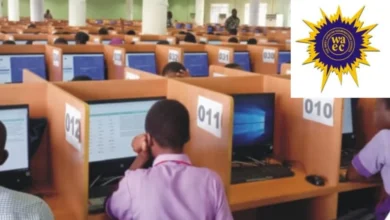
Candidates had arrived at their designated Computer-Based Test (CBT) centres as early as 6 a.m., but many were forced to wait for hours without any progress. At some centres, the examination never commenced, while in others, it was abruptly halted due to server failure.
At Quiblaminds Comprehensive CBT Centre in Abule Egba, Lagos, candidates reportedly waited for over seven hours before being asked to leave. One student was said to have answered only four questions before the system crashed.
Parents and guardians who accompanied the candidates expressed frustration over the situation, describing it as avoidable and distressing. Some recounted the financial and emotional strain of transporting their children across long distances, only for them to return home without writing the exam.
Beyond the immediate disruption, education stakeholders say the incident highlights deeper concerns about the protection of students’ right to development, particularly their right to a stable and supportive learning environment.
The mock UTME is designed to prepare candidates for the main examination by helping them build familiarity and confidence. However, the failure of the process may have the opposite effect, leaving many candidates anxious ahead of the main UTME.
Experts warn that such experiences can instill fear and uncertainty in young candidates, many of whom are already under significant pressure. The possibility of a repeat occurrence may weigh on their minds, potentially affecting their focus and performance in the actual examination.
They stress that while access to education remains critical, the conditions under which students engage in key academic processes must also be reliable. Without this assurance, incidents like this risk undermining confidence in the system and compromising students’ readiness for one of the most important exams of their academic journey.