Kebbi Malnutrition Crisis Pushes Thousands of Children to the Brink of Death
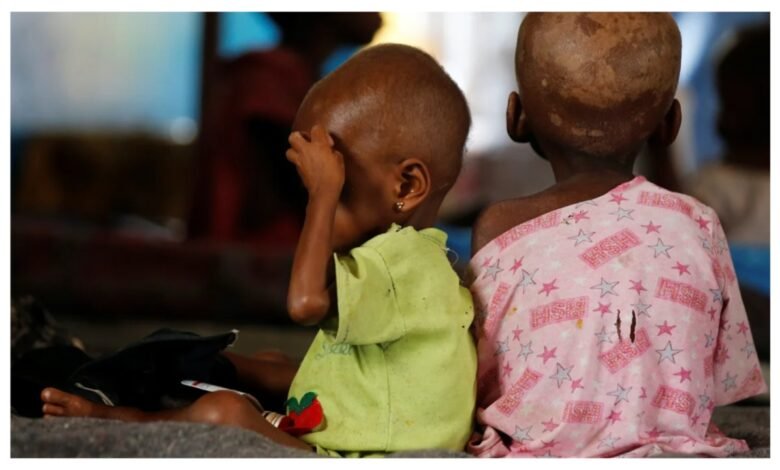
Thousands of children in Kebbi State are facing a silent emergency as malnutrition reaches unprecedented levels, threatening their survival, growth, and future potential. Health experts warn that prolonged hunger is not only weakening bodies but also affecting minds and behavior, while families struggle to feed children amid rising poverty and failing healthcare systems.
The malnutrition crisis in Kebbi State has reached alarming proportions, placing the survival, health, and development of thousands of children at grave risk. Across both urban settlements and rural communities, children with sunken eyes, frail bodies, and weakened immunity have become an all-too-common sight, reflecting a humanitarian emergency that goes far beyond seasonal hunger.
Health facilities in the state are overwhelmed as admissions of malnourished children surge. Médecins Sans Frontières (MSF) reports a 74.1% increase in malnutrition-related admissions between January and June 2025. Between January and May alone, 24,784 children were admitted for inpatient care, while 107,461 received treatment under outpatient nutrition programmes, a 13% rise compared to the same period in 2024.
Dr Hamza Bello, a senior medical officer with MSF, described the situation as unprecedented: “In one instance, we had about 400 children admitted in a single day. Many arrive so late that infections and organ failure have already set in.” Caregivers often travel up to 100 kilometers to access treatment centres, highlighting severe gaps in access to specialised healthcare.
Hunger Beyond Physical Malnutrition
Experts emphasize that malnutrition’s impact extends beyond physical health. Prolonged hunger impairs brain development, disrupts cognitive function, and alters children’s behavior. Children deprived of sufficient nutrients are more likely to experience learning difficulties, poor concentration, irritability, and delayed emotional development. Psychologists warn that chronic hunger during formative years can permanently affect decision-making, social interaction, and the ability to cope with stress.
Nutrition advocate Aisha Abdullahi said: “Malnutrition is not just about thin bodies. It affects how children think, how they behave, and how they grow into functioning adults. It is a violation of their fundamental right to survival and development.”
The Role of Families and Communities
Parents play a critical role in protecting children from malnutrition, but in Kebbi, extreme poverty and rising food costs limit their capacity to provide adequate nutrition. Families often survive on minimal meals, giving children the smallest portions. Experts emphasize the importance of proper infant and young child feeding practices, dietary diversity, and timely access to healthcare. Community education and nutrition counselling are crucial in helping families recognise early signs of malnutrition and act before complications arise.
Government Responsibility and Child Rights
Malnutrition in Kebbi is not merely a personal or family issue, it represents a systemic failure that infringes on children’s right to survival, a core principle under international and Nigerian child rights laws. The government has a responsibility to ensure children are protected from preventable hunger and disease, to strengthen healthcare systems, and to provide social safety nets for vulnerable families.
Civil society and health experts call for urgent measures, including:
-
Scaling up therapeutic feeding programmes with Ready-to-Use Therapeutic Foods available at all nutrition centres.
-
Strengthening primary healthcare systems to ensure timely detection and treatment of malnutrition.
-
Providing social protection to impoverished households to reduce food insecurity.
-
Community-based interventions focusing on nutrition education, early detection, and preventive care.
-
Long-term strategies addressing poverty, climate-related food shortages, and agricultural sustainability.
The crisis has drawn criticism of the Kebbi State Ministry of Health for inadequate responses. Attempts to reach the Commissioner for Health were unsuccessful, and reports suggest limited institutional knowledge due to recent administrative changes. The state has previously suspended officials for failing to address public health emergencies, but families and experts argue that sustained, coordinated action is urgently needed.
Ensuring a Safe Future
If the malnutrition crisis is not addressed immediately, the consequences for Kebbi’s children and society at large will be severe. Beyond physical survival, hunger threatens cognitive development, emotional well-being, and social potential. Experts warn that children growing up malnourished may struggle academically, become more vulnerable to disease, and face lifelong economic and social disadvantages.
“Malnutrition is a slow killer,” said Dr Bello. “Every day a child goes without adequate food is a day lost for their health, learning, and future. Protecting children from hunger is not optional, it is a fundamental duty of parents, communities, and government alike.”
For families across Kebbi, malnutrition is no longer a distant policy issue, it is a daily battle for survival. Addressing it comprehensively will determine not only the lives of children today but also the future health, productivity, and prosperity of the entire state.