Lagos Street Children Face Daily Danger as Child Protection Laws Remain Weak
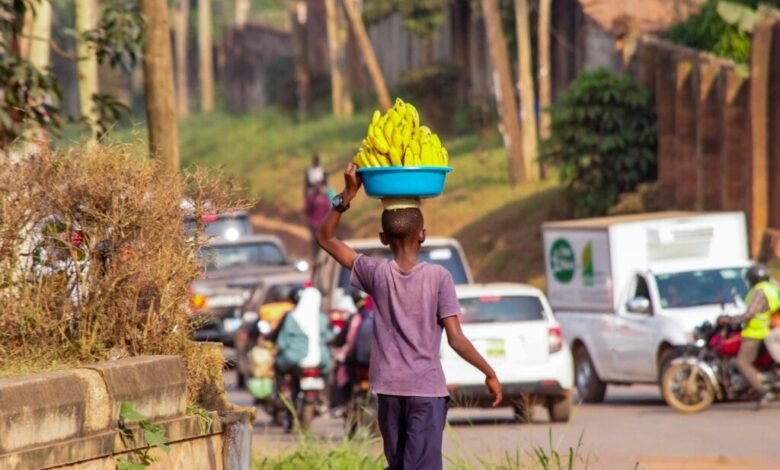
In Lagos, Nigeria, thousands of children live adult lives in child bodies, navigating streets that are both their workplace and a constant source of danger. Many sell goods in traffic, scavenge scraps for survival, or endure unsafe living conditions, often without access to education, healthcare, or basic protection. Every day brings the risk of injury, exploitation, and abuse.
Despite the 2007 domestication of the Child Rights Act in Lagos State, which guarantees protection from abuse, exploitation, and neglect, enforcement remains weak.
Experts say the streets tell a different story: children are exposed to trafficking, street labor, and neglect, with UNICEF estimating that one in five Nigerian children experiences severe abuse before age 14. Many children who migrate into Lagos from other states end up in domestic servitude or street hawking, highlighting systemic gaps in protection.
Parents, often forced by poverty, feel they have little choice but to involve their children in survival activities, while child protection advocates stress that these children are not lazy or criminal, they are survivors in need of safeguarding.
Organizations like SOS Children’s Villages Nigeria and Human Development Initiatives are working to rescue, educate, and reintegrate vulnerable children, showing that with support, children can escape the cycle of street life.
Experts emphasize that protecting children requires more than laws on paper, it demands societal recognition, enforcement, and resources. Education, shelter, healthcare, and a voice in decisions affecting their lives are essential. Without meaningful protection, Lagos risks raising a generation of children living, and sometimes dying, in the shadows of its booming cityscape.
These children are not just invisible, they are a test of the city’s commitment to child safety, protection, and future development.