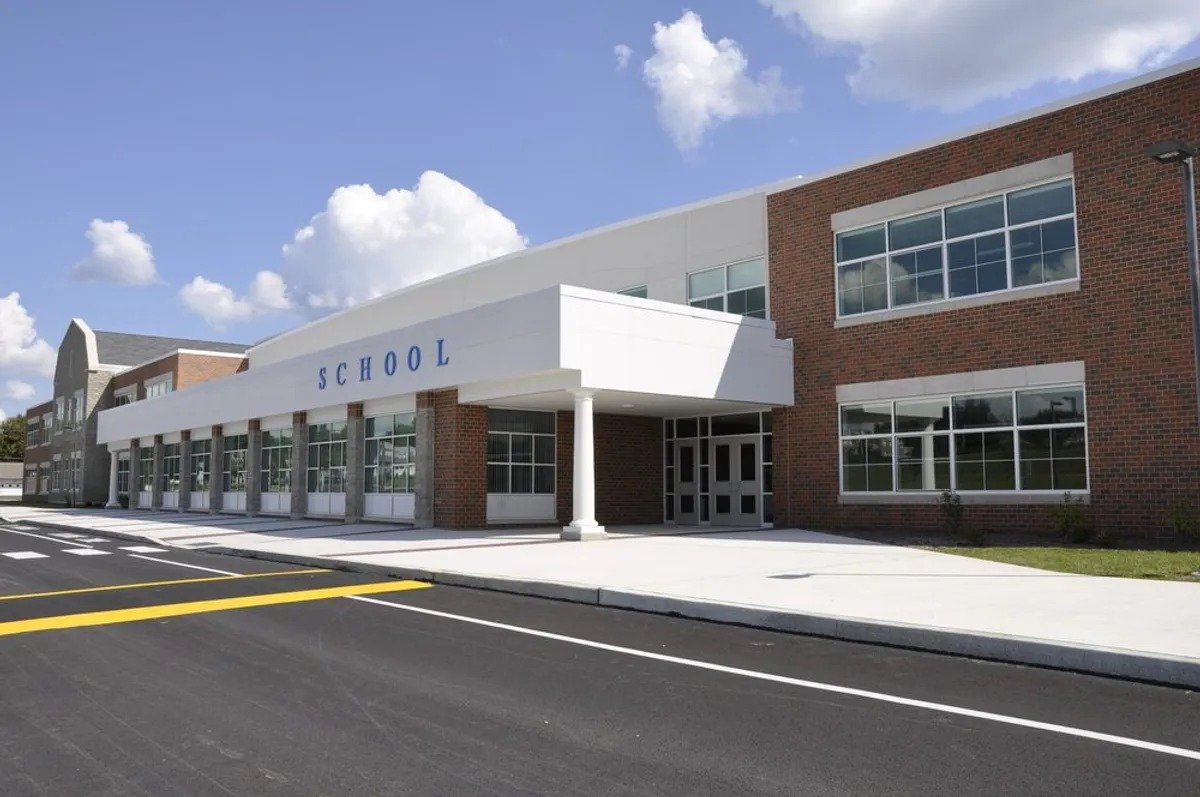
Nigeria Launches Nationwide School Internet Initiative to Boost Learning and Digital Skills for Children

The Federal Government of Nigeria has launched a nationwide initiative to connect schools to reliable internet, aiming to expand digital learning and integrate modern technologies, including artificial intelligence, into education.
Announced under the directive of President Bola Tinubu, the program targets institutions at all levels, from primary schools to universities, with the goal of improving learning outcomes and access to global academic resources.
Education and Communications Ministers, Dr Maruf Alausa and Bosun Tijani, emphasized that connectivity involves fibre broadband, telecommunications towers, and satellite systems, with around 90,000 kilometers of fibre and 3,700 towers planned, especially in rural and underserved areas. Two technical working groups have been established to ensure both tertiary and foundational education benefit from the initiative.
From a child-rights perspective, the initiative aligns with the right to quality education, offering students the opportunity to develop digital skills essential for the 21st century.
Reliable internet access can enhance learning experiences, provide access to global knowledge, and support safe, modern teaching environments. It also supports ongoing reforms toward fully computer-based national examinations, strengthening educational integrity.
However, challenges remain. Millions of Nigerian children are still out of school, and many rural areas lack basic classroom infrastructure and electricity. Ensuring equitable access, teacher training, and curriculum adaptation will be critical to making digital education meaningful rather than symbolic.
For children’s right to development to be fulfilled, connectivity must be paired with safe, inclusive learning environments, adequate resources, and sustained government commitment.