2,400 Children Die Daily: Shocking Gaps in Nigeria’s Health System Fuel Malnutrition Crisis
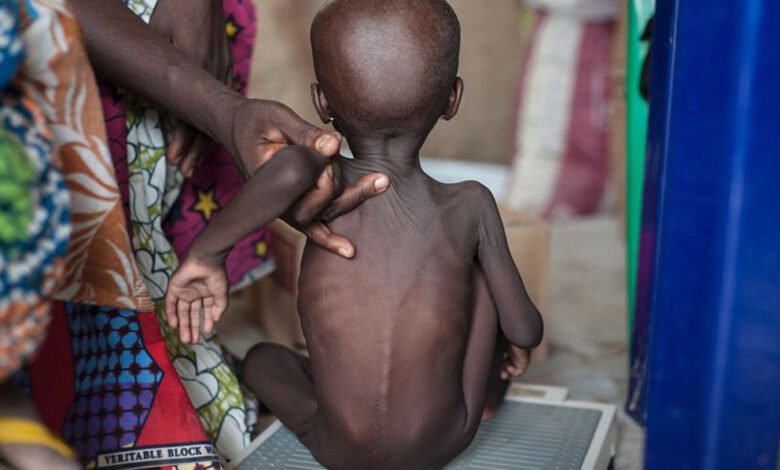
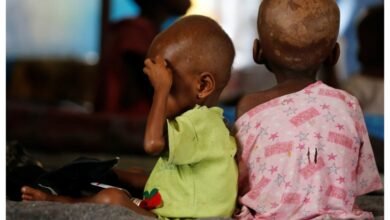
The worsening malnutrition crisis in Nigeria’s North-central region is increasingly threatening children’s right to survival, as weak healthcare systems and shortages of critical supplies leave many without lifesaving treatment.
Data from the United Nations Children’s Fund shows that about 100 children under the age of five die every hour in Nigeria due to malnutrition, translating to roughly 2,400 deaths daily. Despite the preventable and treatable nature of the condition, access to care remains severely limited.
Investigations across primary healthcare centres (PHCs) in the Federal Capital Territory and Nasarawa State reveal persistent gaps in service delivery. Many facilities lack Ready-to-Use Therapeutic Food (RUTF), essential medicines, and trained nutrition personnel, forcing caregivers to seek help elsewhere or return home without treatment.
Health experts warn that these delays significantly increase the risk of death among affected children. Early detection and intervention are critical, yet overstretched and under-resourced PHCs are unable to provide timely care, undermining their role as the first point of contact in the health system.
The situation is further compounded by Nigeria’s heavy reliance on donor-funded nutrition programmes. While international partners have historically supported treatment and prevention efforts, recent funding cuts have disrupted supply chains and reduced the availability of critical nutrition commodities.
Analysts say this dependence has weakened government ownership and long-term sustainability of nutrition services. When donor support declines, programmes often stall, leaving vulnerable children without access to care.
Beyond health system challenges, broader socio-economic factors continue to drive malnutrition. Rising food prices, poverty, and regional inequalities have made it difficult for many families to provide adequate nutrition for their children, particularly in northern regions where the burden is highest.
Stakeholders emphasize that protecting children’s right to survival requires sustained government investment, stronger primary healthcare systems, and the integration of nutrition services into routine care. Without urgent reforms, they warn, thousands of children will continue to die from preventable causes.
The crisis highlights a critical gap between policy commitments and on-the-ground realities, raising concerns about Nigeria’s ability to safeguard the lives of its youngest population.