Police Seize 23 Firearms from 13-Year-Old Fixated on Mass Shooters
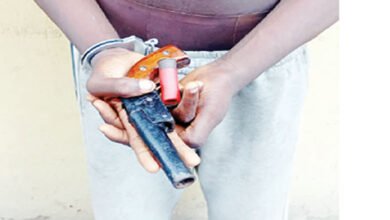
A 13-year-old boy has been arrested in Washington’s Pierce County after police discovered a large cache of firearms and disturbing social media posts referencing school shootings.
Authorities say the boy, who appeared fixated on past school shooters, now faces five charges, four of them felonies, including unlawful firearm possession and making threats. He has pleaded not guilty and remains in juvenile detention.
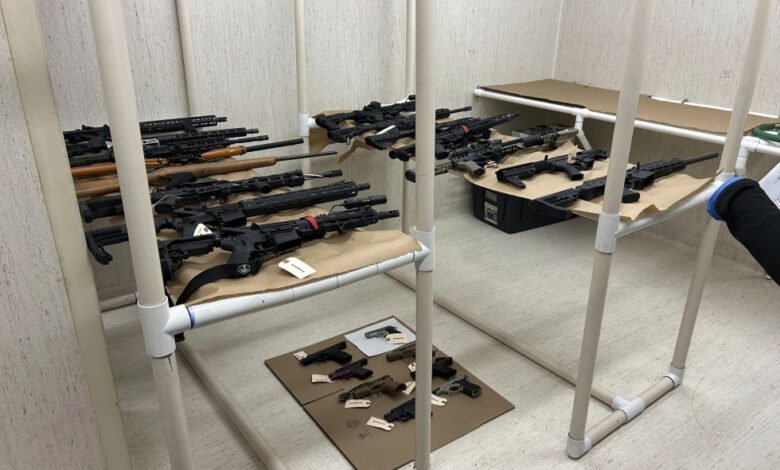
Deputies executed a SWAT raid at his home around 1 a.m. on Saturday, where they recovered 23 firearms, tactical rifles mounted on walls, unsecured handguns, and AR-style magazines marked with references to the 1999 Columbine High School massacre.
Investigators also found drawings and online posts where the boy reportedly expressed intentions to kill once he turned 21, alongside photos of him posing with weapons and imitating school shooters.
While the boy’s mother insists he never intended to harm anyone, police say the evidence suggests he was preparing for a mass shooting.
An investigation is ongoing into whether his parents could face charges for failing to properly secure the weapons. Under Washington law, children are barred from possessing firearms except in limited circumstances such as hunting or safety training.
Authorities described the case as a near miss, warning that it was only a matter of time before tragedy could have occurred. The court has set a pretrial conference for September 17 and a detention review for September 22.
This case underscores the need to uphold the rights of children in conflict with the law, which affirm that every child accused of an offence must be treated with dignity, given access to fair legal processes, and supported through rehabilitation and reintegration.
At the same time, it is equally important to hold parents and guardians accountable where their negligence, such as exposing a child to unsecured weapons, creates conditions that endanger the child and society. Protecting children from such harmful environments is central to their right to safety, development, and a future free from violence.