
Poverty, Culture Fuel Child Marriage Crisis in Ebonyi State and Cross River State Despite Existing Laws
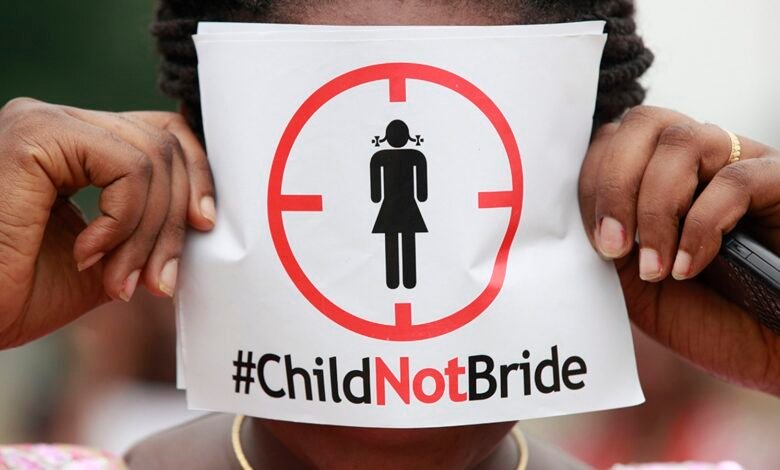
Child marriage remains widespread in communities across Ebonyi State and Cross River State, exposing children to abuse, exploitation, and long-term deprivation, despite existing legal safeguards. An investigation reveals that poverty, cultural norms, and weak enforcement mechanisms continue to push children, particularly girls, into early unions.
Cases documented in the report show that children as young as 12 are forced into marriage, leading to school dropout, early pregnancies, and increased vulnerability to domestic and sexual abuse. Many affected children are deprived of their right to education and are compelled to assume adult responsibilities without the physical or emotional capacity to cope.
Although the Child Rights Act 2003 prohibits child marriage, implementation at the grassroots level remains inconsistent. Community leaders in some areas have introduced local bans and penalties, but findings indicate that the practice continues, often carried out in secrecy or justified by longstanding traditions.
Poverty has emerged as a major driver of the practice. Families struggling to survive often view marriage as a means of reducing financial burden or securing economic support. This coping strategy, however, deepens cycles of poverty and contributes to Nigeria’s growing number of out-of-school children.
Cultural factors also play a significant role. In some communities, access to land and social status is tied to marital status, creating pressure on both girls and boys to marry early. This institutionalizes the practice and complicates efforts to enforce child protection measures.
Officials in the state’s Ministry of Women Affairs say awareness campaigns are ongoing, but acknowledge that more needs to be done to protect vulnerable children. Experts emphasize the need for stricter enforcement of laws, targeted economic support for families, and sustained community engagement to address the root causes of child marriage and strengthen safeguarding systems.