
Practical Ways to Teach Your Children to Care for Their Belongings
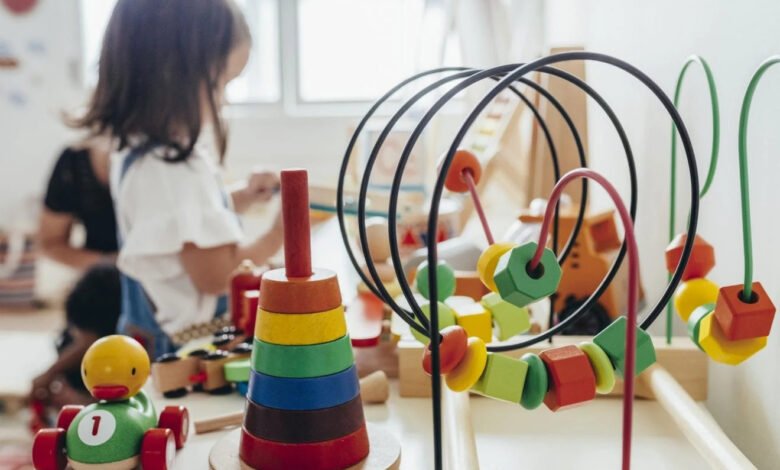
Teaching children to value their possessions can be challenging for parents. Toddlers often do not naturally understand the importance of caring for their belongings, sometimes smashing toys or mishandling objects out of curiosity or excitement.
Recognizing this, parents and caregivers can use practical, hands-on approaches to guide children in developing respect and responsibility for their possessions.
Strategies to Teach Children to Value Their Possessions
1. Model the behavior you want your child to follow
Children learn by observing adults. Demonstrating care for possessions, such as carefully hanging coats, gently handling toys, or treating household items with care, helps children understand what behavior is expected.
Parents can “show and tell” by explaining why they handle items carefully, reinforcing learning through example.
2. Be clear about expectations
Children often do not automatically know how to treat objects. Parents should explain what “gentle” or “careful” play looks like, whether it’s toys, school supplies, or household items.
For example, telling a child, “We place the blocks gently so they don’t break, and we put them away when we’re done,” helps make expectations concrete.
3. Set and communicate consequences
When children mishandle possessions, parents can calmly enforce rules and explain why certain behavior is unacceptable.
For instance, if a child throws toys, remove the toy temporarily and explain the reason. Once the child follows the expected behavior, gradually allow access again. This teaches accountability and responsibility.
4. Encourage responsibility through practice
Involve children in everyday tasks that require care, such as cleaning up toys, organizing their belongings, helping with household chores, or choosing and caring for their clothes.
These activities build independence while reinforcing respect for personal and shared possessions.
5. Reinforce learning with encouragement
Mistakes are part of learning. Praise children when they handle possessions well, even after previous errors. Positive reinforcement strengthens understanding and motivates children to continue making thoughtful choices.
Through patience, engagement, and positive reinforcement, children can learn to take care of their possessions while developing independence, responsibility, and respect for the objects around them.
Everyday activities become opportunities for meaningful lessons, helping children internalize the value of their belongings in practical and lasting ways.