
Researchers Warn AI-Driven ‘One Chatbot per Child’ Model Conflicts With How Children Learn
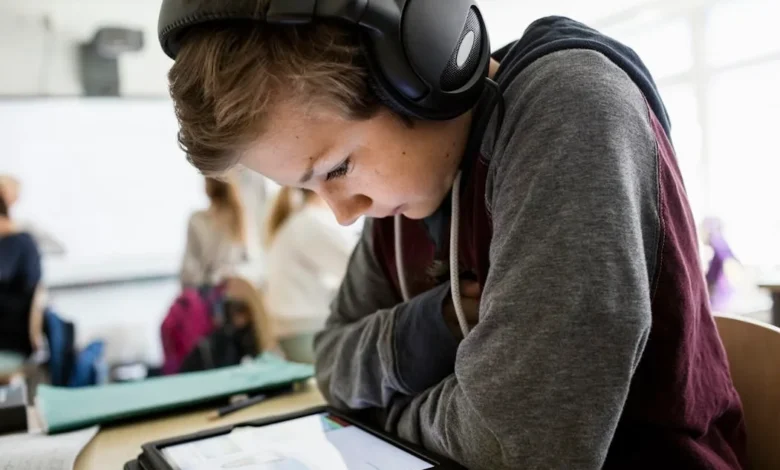
As school districts across the United States move to integrate generative artificial intelligence into classrooms, education researchers are raising concerns that prevailing models of AI-driven personalized learning run counter to decades of research on how children learn.
Technology leaders and investors have increasingly promoted a vision of education in which each student works closely with an individualized AI tutor. Venture capitalist Marc Andreessen has publicly described a future where “the AI tutor will be by each child’s side every step of their development.” Some large school districts, including Houston and Miami, have already signed contracts to deploy AI tools at scale.
Critics say this approach risks overlooking a core principle of learning science: learning is fundamentally social.
Learning Beyond the Screen
Modern research in education, neuroscience, and the social sciences shows that learning is shaped by interaction with others, not solely by individual cognition. Studies indicate that social relationships influence brain development, knowledge formation, and long-term academic outcomes.
In classroom settings, discussion, debate, and shared problem-solving play a critical role. Research has consistently shown that students perform better in environments where they engage with classmates’ ideas, respond to authentic questions, and participate in sustained dialogue. One widely cited study of more than 1,000 middle school students found significantly stronger performance in classrooms with higher levels of discussion and interaction.
Education scholars warn that models centered on one-to-one chatbot instruction may unintentionally reduce these opportunities.
Limited Evidence for AI in K–12 Classrooms
Despite growing enthusiasm, researchers note that evidence on the impact of generative AI in K–12 education remains limited. Existing studies are sparse, often focus on older students, and tend to measure narrow outcomes such as test scores or task completion rather than broader developmental effects.
Key questions remain unanswered. Researchers say little is known about how daily interaction with AI systems affects children’s social development, mental health, relationships with teachers and peers, or long-term engagement with learning. There are also concerns about how AI adoption could shape educational inequities linked to disability, race, or access to supportive learning environments.
Without robust longitudinal research, critics argue that large-scale implementation may be premature.
Pressure on School Systems
School districts face mounting pressure to adopt AI tools. Declining enrollment, budget constraints, and expectations to modernize have made AI an appealing option. Federal and state leaders across party lines have expressed support for AI’s potential role in education, while technology companies see public schools as a significant growth market.
Observers note parallels to earlier initiatives such as “One Laptop per Child,” which promised transformation but delivered mixed results.
Balancing Technology and Human Interaction
Researchers emphasize that individualized instruction has a place in education and that technology can support learning when used thoughtfully. However, they caution against allowing AI systems to replace or crowd out human interaction.
National education organizations have stressed the importance of classrooms that support civic discourse and collaborative problem-solving, skills considered essential for navigating complex social and political challenges. Such learning, researchers argue, depends on interaction with others who hold different perspectives.
The central concern is not the presence of AI in classrooms, but how it is used. Education specialists argue that technology should strengthen, not weaken, the social fabric of learning.
As districts consider expanding the use of generative AI, researchers urge policymakers to ground decisions in established learning science and to prioritize children’s social, emotional, and cognitive development alongside academic outcomes.