Resident Doctors Suspend Strike, Raise Hope for Improved Child Survival and Healthcare Access, Issue Two-Week Ultimatum
The National Association of Resident Doctors (NARD) has suspended its planned nationwide strike following renewed engagements with the Federal Government of Nigeria, a development expected to restore stability to healthcare services across Nigeria and improve access to critical care, particularly for children.
The decision was reached after an emergency meeting of NARD’s National Executive Council, where members reviewed assurances from government representatives on key demands, including the payment of outstanding allowances, salary arrears, and funding for residency training programs. The association described the government’s response as a sign of “renewed willingness” to address longstanding concerns.
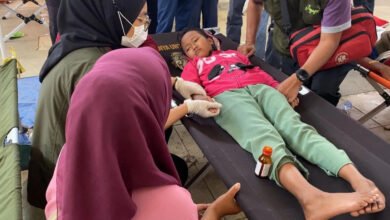
Resident doctors, who make up a significant portion of frontline medical personnel in public hospitals, play a vital role in emergency care, pediatric services, and neonatal units. Their return to duty is expected to ease pressure on overstretched facilities and improve response times for children requiring urgent medical attention, including those with infections, malnutrition, birth complications, and other life-threatening conditions.
The suspension also has important implications for child protection and safeguarding. Hospitals often serve as key points for identifying cases of child abuse and neglect. With resident doctors back on duty, healthcare systems are better positioned to detect warning signs early and initiate appropriate interventions for vulnerable children.
Despite the suspension, NARD has issued a two-week ultimatum to the federal government to demonstrate concrete progress on its demands. The association warned that failure to meet these conditions could lead to a resumption of the industrial action without further notice.
While the development brings temporary relief to patients and families relying on public healthcare, stakeholders note that sustained dialogue and timely implementation of agreements will be crucial to preventing future disruptions and ensuring consistent access to quality healthcare services across the country.