Rising Global Tensions Prompt UNICEF Warning: Safeguard Children’s Mental and Emotional Well-Being
The article “How to Talk to Your Children About Conflict and War,” published by UNICEF, provides timely and practical guidance for parents and caregivers on how to support children when global crises dominate the news.
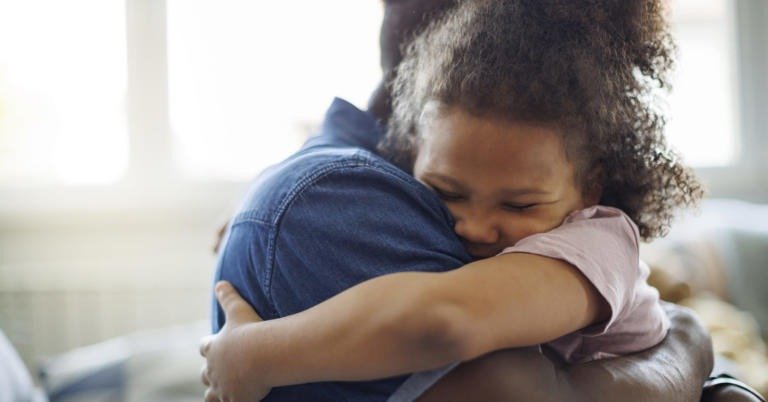
At a time when armed conflicts and geopolitical tensions continue to make headlines around the world, the message from UNICEF is both necessary and urgent. Protecting children is not only about keeping them physically safe. It also requires safeguarding their mental and emotional well-being.
UNICEF emphasizes that children often turn to parents and trusted adults for reassurance when they encounter distressing news about violence or war. The organization advises starting conversations by finding out what children already know and how they feel.
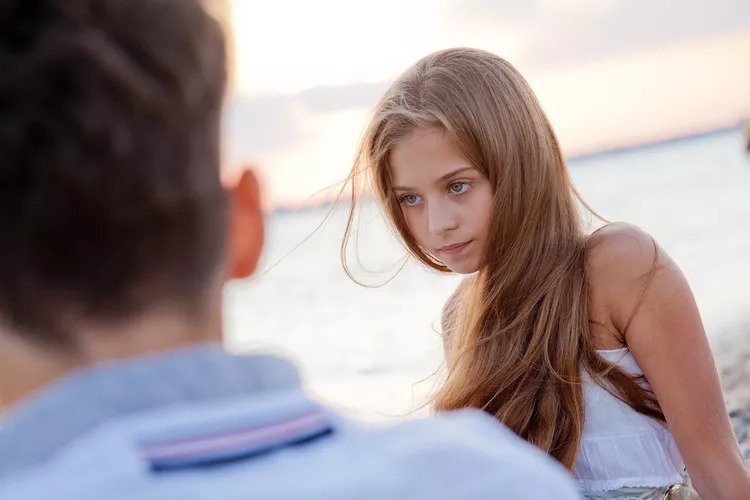
Since children may receive information through television, social media, school discussions, or friends, parents are encouraged to listen carefully, correct misinformation, and reassure them that their feelings are valid.
Another key recommendation is to keep conversations calm and age-appropriate. UNICEF explains that while children have the right to understand what is happening in the world, information should be delivered in ways that do not overwhelm them.
Parents are advised to use simple language, observe their child’s reactions, and reassure them that many people around the world are working to bring peace and provide help to those affected.
The article also highlights the importance of spreading compassion rather than stigma. Conflict can sometimes lead to prejudice or discrimination, so caregivers should guide children toward empathy for families displaced by war rather than reinforcing harmful stereotypes.
Overall, UNICEF’s guidance serves as a reminder that during uncertain global events, supporting children means protecting them physically, emotionally, and mentally. Open conversations, reassurance, and limiting exposure to distressing news can help children feel secure while navigating difficult world events.