
Safe Celebrations Save Lives: Protecting Children from Crowd Surges and Stampedes During Holiday Events
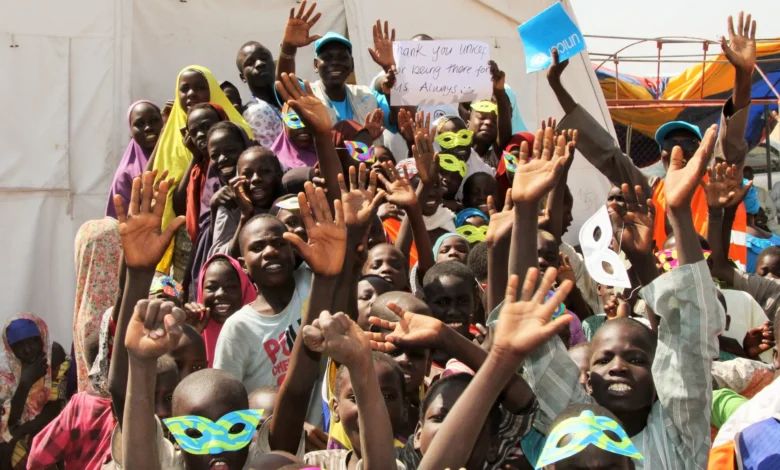
The holiday season is often marked by large gatherings, shared joy and public celebrations. Schools host end-of-year programmes, communities organise funfairs and gift distributions, religious centres welcome large congregations, and families move through crowded malls and transport hubs. These moments are meant to create lasting memories. Yet when crowds are poorly planned and unmanaged, they can quickly become dangerous, particularly where children are present.
On December 18, 2024, a devastating stampede occurred at a children’s funfair in Ibadan, Oyo State, resulting in the deaths of 35 children, including infants as young as six weeks old. Some families lost more than one child in a single day. The event, held at Islamic High School, Bashorun, was organized by the Women In Need Of Guidance and Support Foundation (WINGS) in collaboration with Agidigbo 88.7 FM. Subsequent reviews revealed serious gaps in planning, crowd control, emergency preparedness, and child safeguarding systems.
As the holiday season returns, this tragedy remains a solemn reminder of the responsibility that comes with organising and attending large public events involving children and that celebration without safety planning can cost lives.
How Crowd Crushes Happen
Crowd crushes rarely occur without warning. They develop when too many people are concentrated in a space that cannot safely accommodate them. Exits become blocked, movement slows, and pressure builds as people attempt to move forward or escape discomfort. Panic can spread rapidly, often triggered by confusion, sudden noise, delayed activities or the fear of missing out.
In such situations, injuries and deaths are most often caused by asphyxiation rather than trampling. When bodies are compressed, breathing becomes impossible within seconds. Children are especially vulnerable due to their physical size, limited strength and dependence on adults for guidance and protection.
The Hidden Cost of Poor Safeguarding
Effective safeguarding is not based on intention alone. It requires clear policies, trained personnel, risk assessment and emergency planning. When these elements are missing, risk multiplies quickly.
In the Ibadan incident, venue capacity was not adequately assessed against the expected number of attendees. An event reportedly designed for thousands failed to account for parents, guardians and other accompanying adults, resulting in dangerous overcrowding.
There were no visible systems to manage entry, movement or exit. Trained crowd marshals, structured flow and age-sensitive arrangements were absent. Basic medical readiness, including first aid stations and emergency response teams, was not clearly in place. When crowd pressure intensified, there was no coordinated response to slow movement or protect the most vulnerable.
Safeguarding exists to prevent exactly these outcomes. Its absence leaves everyone exposed.
Planning Safer Holiday Events
Crowd safety must begin long before an event opens to the public. Organisers have a duty to ensure venues are appropriate for both the size and nature of the gathering. Entry and exit points must be clearly marked, sufficient in number and kept free of obstruction.
Activities that involve queues, performances, food or gift distribution require careful structure. Staggered access, seated distribution and group-based movement reduce pressure points and prevent rushing. No activity involving children should rely on competition or first-come access.
Clear emergency procedures must be developed and shared with all staff and volunteers. Everyone involved should know how to pause activities, communicate calmly and redirect movement if conditions become unsafe.
Managing Crowds During Events
Once an event begins, communication becomes critical. Announcements should be frequent, calm and reassuring, particularly during delays or changes. Silence or uncertainty can heighten anxiety and trigger sudden movement. Sudden changes in lighting, loud music or unexpected effects should be avoided. Pathways, aisles and exits must remain clear at all times. Decorations, equipment and seating should never restrict movement or visibility.
For programmes involving performances, seating arrangements should allow families to leave gradually and safely, without crossing congested areas.
The Role of Parents and Caregivers
Parents and caregivers play a central role in preventing crowd-related harm. In busy environments, children should remain within close reach, particularly near entrances, exits and activity centres. Physical proximity helps prevent separation and reduces panic.
Before attending large gatherings, families should agree on simple rules such as staying together, avoiding pushing and listening to event staff. Older children should know how to identify staff members and understand where to go if separated.
Caregivers should resist the urge to rush, even when others are moving quickly. Calm behaviour from adults sets the tone for children and helps maintain order.
Helping Children Understand Crowd Awareness
Children can be taught simple, age-appropriate awareness without causing fear. They should understand the importance of staying close to trusted adults and moving slowly with the crowd. They should feel empowered to speak up if they feel crowded, frightened or unable to breathe.
Older children can be taught what to do if they fall, including protecting the head and neck and remaining still until help arrives. Most importantly, they should know that stepping away from noise and excitement is acceptable and encouraged.
Preventing Separation in Public Spaces
Holiday shopping centres, transport terminals and public venues present similar challenges. Preparation reduces risk.
Children should be instructed to remain in the same area if separated and reassured that caregivers will return for them. Simple distance rules help maintain proximity in busy spaces.
They should also know how to identify safe adults such as store staff, security personnel or other parents. Older children should follow a clear rule to seek permission before moving to another area.
Practical steps such as dressing children in bright clothing, keeping recent photographs and establishing clear meeting points can make a critical difference if separation occurs.
A Collective Responsibility This Holiday Season
Public celebrations should never come at the cost of human life. The Ibadan tragedy stands as a reminder that crowd safety and safeguarding are not optional considerations but essential duties.
Preventing crowd crushes is not about dampening joy. It is about thoughtful planning, clear leadership and shared awareness. When organisers plan responsibly, caregivers remain attentive and children are supported with guidance, holiday gatherings can remain spaces of joy, dignity and safety. As communities gather again this season, the priority must be clear. Celebration must always be matched with responsibility, and the protection of children must remain central to every event.