Silent Suffering: The Hidden Signs of Depression Parents Are Missing in Their Children
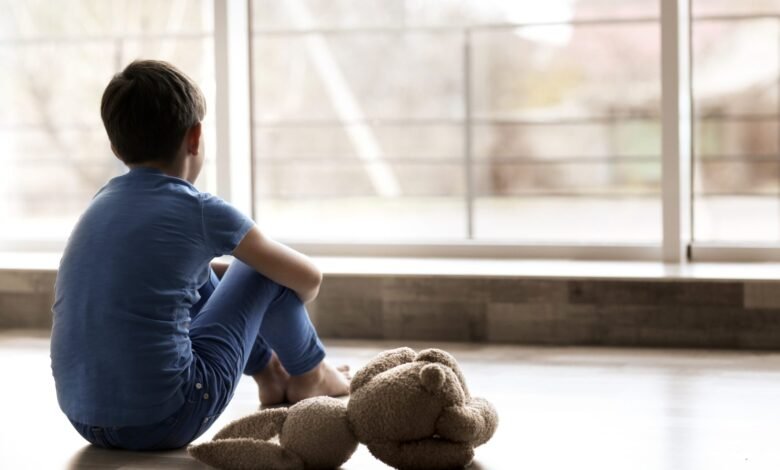
Depression in children doesn’t always look like tears and isolation — it can hide behind irritability, stomachaches, falling grades, or sudden withdrawal. Experts warn that when early signs are overlooked, vulnerable children can slip into crisis unnoticed, making awareness and early intervention a critical child protection priority.
Silent Suffering: Protecting Children from the Hidden Dangers of Depression
Parents often believe they know their children better than anyone else. And in many ways, they do. But depression in children does not always announce itself clearly. It can disguise itself as moodiness, defiance, laziness, or “just a phase.”
From a child protection perspective, that misunderstanding can be dangerous.
Mental health is not separate from child safety. Emotional neglect, untreated depression, and unrecognized distress can place children at risk of academic failure, social isolation, self-harm, substance misuse, and even suicide. Recognizing the signs early is not simply good parenting. It is prevention.
What Childhood Depression Really Looks Like
Unlike adults, children often lack the language to say, “I feel depressed.” Instead, their distress leaks out through behavior and physical symptoms.
Some warning signs include:
-
Persistent sadness or unusual irritability lasting weeks
-
Loss of interest in hobbies or friendships
-
Changes in sleep patterns
-
Appetite or weight fluctuations
-
Chronic fatigue
-
Difficulty concentrating
-
Frequent unexplained headaches or stomachaches
-
Social withdrawal
-
Expressions of worthlessness or excessive guilt
-
Talk of death, hopelessness, or suicide
A single difficult week does not necessarily signal depression. But patterns that persist over time should never be dismissed.
Children rarely “act out” without reason. Often, they are acting out pain.
Why Early Recognition Is a Child Protection Issue
When depression goes unnoticed, children can internalize harmful narratives about themselves. They may believe they are weak, broken, or burdensome. That belief increases vulnerability.
Untreated depression can lead to:
-
School disengagement
-
Risky behaviors
-
Bullying involvement, as victim or aggressor
-
Online exploitation, as isolated children seek connection
-
Self-harm or suicide attempts
Child protection is not only about shielding children from external threats. It is also about safeguarding their emotional well-being.
What Parents Can Do
Parents are the first line of defense.
Listen without judgment. If a child shares feelings of sadness or frustration, avoid minimizing them. Phrases like “you’ll be fine” or “others have it worse” shut down communication.
Validate emotions. Saying, “That sounds really hard,” builds trust.
Watch patterns, not moments. Track changes over weeks, not days.
Keep conversations open. Ask specific but open-ended questions:
-
“What’s been weighing on you lately?”
-
“When do you feel most stressed?”
Seek professional support early. Pediatricians, school counselors, and child psychologists can screen for depression and recommend treatment.
Most importantly, stay connected. Consistent presence builds resilience.
The Government’s Role in Protecting Mental Health
Parents cannot shoulder this alone.
Governments play a crucial role in protecting children’s mental health by:
-
Ensuring access to affordable child and adolescent mental health services
-
Integrating mental health screening into schools
-
Funding school counselors and psychologists
-
Reducing stigma through public awareness campaigns
-
Addressing poverty and instability, which are risk factors for depression
-
Creating crisis hotlines and rapid-response mental health services
Schools, in particular, are frontline environments. Teachers are often the first to notice behavioral shifts. Providing them with training to recognize signs of emotional distress can prevent escalation.
Mental health infrastructure is not optional. It is protective infrastructure.
Understanding “Phases” vs. Red Flags
Adolescence includes natural emotional fluctuations. Mood swings, identity exploration, and occasional withdrawal are common developmental stages.
But a phase still requires support.
Parents and policymakers must ask:
-
Is the child functioning normally in daily life?
-
Are symptoms persistent?
-
Is there talk of hopelessness or self-harm?
If the answer raises concern, intervention should not wait.
A Collective Responsibility
Depression is not a sign of bad parenting. It is not a weakness. It is a medical condition that can affect any child, regardless of background.
The goal is not to create fear. It is to create awareness.
When adults respond early with compassion, structure, and professional support, children can recover. They can build coping skills. They can grow stronger.
But silence allows suffering to deepen.
Protecting children means paying attention, not only to visible dangers, but to quiet struggles.
If something feels off, trust that instinct. Listening today could save a life tomorrow.