Taliban Penal Code Raises Concerns for Afghan Children’s Safety and Education
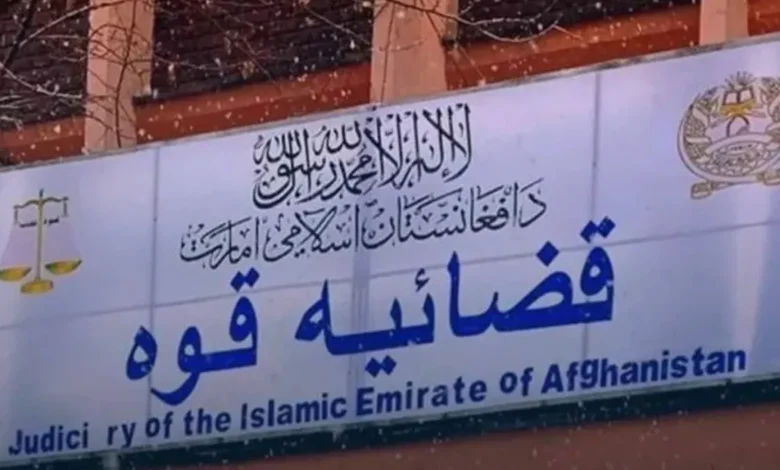
Afghanistan’s new Taliban penal code has raised serious concerns about the protection and development of children. Experts warn that certain provisions could limit access to education, expose children to harm, and undermine safeguards that help ensure their wellbeing.
How These Laws Can Affect Children
The new penal code sets broad rules and gives authority to household heads, judges, and “masters” in ways that can indirectly impact children. Access to education is limited, particularly for girls, affecting their learning and future opportunities. Children may also be exposed to violence or unsafe environments in homes where disciplinary powers are expanded.
By assigning different levels of authority and punishment based on social rank, religion, and gender, the code can create situations where children experience inequality and face risks of exploitation. For example, provisions that allow household heads or “masters” to discipline servants could legitimize child labor or unsafe work conditions.
Implications for Child Safety and Development
Children may grow up witnessing arbitrary punishments or violence, which can affect their psychological wellbeing. Exposure to unsafe conditions at home or in communities may hinder healthy development, social growth, and the ability to learn in a safe environment.
The removal of previous legal protections also means children no longer have clear safeguards against labor, forced service, or deprivation of schooling. Judges now have broader discretionary powers, and the absence of clear enforcement rules can increase the risk of inconsistent protection for children.
Supporting Child Protection
Despite these challenges, there are ways to help safeguard children. Education programs: Communities and humanitarian organizations can provide safe learning spaces for children, ensuring continued access to education. Awareness campaigns: Parents, caregivers, and community members can be educated on child rights and safe practices in homes and schools. Monitoring and reporting: Local and international bodies can establish channels to identify and respond to cases of child exploitation or unsafe conditions. Psychological support: Counseling and support services can help children cope with stress, trauma, or fear resulting from exposure to unsafe environments.
Building Safer Futures
Children deserve environments where they can learn, grow, and feel safe. Even within challenging legal frameworks, careful attention to education, community involvement, and child-centered programs can help protect Afghan children and ensure they receive the care and opportunities they need to develop fully.