The Darkest Web: Inside the Internet’s Most Hidden Corners to Save Children – BBC World Service Documentary
Movie Review of the Week
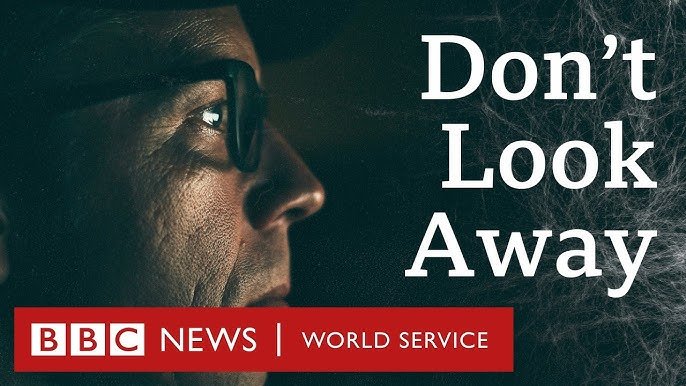
This powerful investigation from BBC Eye, directed and produced by Sam Piranty, takes viewers deep into the hidden architecture of the dark web, where organised child sexual abuse networks operate with chilling sophistication. What makes this documentary extraordinary is not just the scale of the crimes uncovered, but the rare and sustained access granted to the small group of international agents fighting them.
At the centre of the story is Greg Squire, a U.S. agent working alongside fewer than fifty undercover investigators worldwide. Together, across borders that include the United States, Portugal, Brazil, and even Russia, they pursue perpetrators who believe they are untouchable. In encrypted spaces designed to erase identities and evade justice, these officers race against time because behind every username is a real child, often in immediate danger.
Inside the Investigation
For over seven years, journalist and director Sam Piranty was given unprecedented access to observe this work. The result is a film that balances technical complexity with human depth. We see investigators infiltrate closed forums, trace digital breadcrumbs across jurisdictions, and use advanced forensics to unmask offenders who trade millions of images and videos of abuse.
Yet the documentary never reduces this work to technology alone. It shows the psychological cost, the emotional toll of spending months, sometimes years, embedded in spaces defined by cruelty. The officers’ resilience is not loud or heroic in a cinematic sense. It is quiet, disciplined, and relentless.
The Case of “Lucy”
One of the most moving threads in the documentary is the case of a survivor known as Lucy. In 2014, images of her abuse surfaced online, revealing that the exploitation had occurred over six years. The investigation that followed is a masterclass in patience and ingenuity.
A single piece of furniture in one photograph narrowed the search to 29 U.S. states. Months later, a brick expert helped identify the manufacturing plant behind the bricks in Lucy’s room, shrinking a list of 10,000 possible suspects to fewer than fifty. Social media did the rest. After nine months of searching, investigators finally saw Lucy’s face online.
Years later, the film captures an emotional reunion between Greg and Lucy, now an adult. Her words cut through the darkness of the investigation with rare clarity. She speaks of survival, of stability, of prayers answered. The offender in her case received a 75-year sentence, but the deeper victory is Lucy’s voice; steady, reflective, and reclaiming her story.
Scale, Scarcity, and Moral Urgency
The documentary delivers one of its most sobering truths almost quietly. It is estimated that more than one million users are active on child sexual abuse forums on the dark web. Against this vast ecosystem of harm, fewer than fifty undercover agents are working together globally.
This imbalance forces a reckoning. The problem is not hidden because it is small. It is hidden because we have not imagined, anticipated, or prepared adequately for the moral consequences of our digital world.
Beyond the Screen: The Failure of Foresight
The documentary mirrors a broader failure of foresight in how society has approached technology and children. Social media platforms did not appear overnight. Neither did online grooming, exploitation, self-harm, or exposure to extreme content. These were foreseeable outcomes of unregulated digital growth.
Every major innovation in history demanded a moral response. Aviation required safety laws. Automobiles created traffic rules. The digital revolution demands digital parenting, digital education, and ethical imagination. Yet instead of anticipating harm, we waited for tragedy to force action.
Now, the response is often panic; bans, blanket restrictions, and reactionary policies. But reaction is not safeguarding. True protection comes from reflection, preparation, and responsibility. If we want digital discipline among children, it must begin with digital discipleship among adults.
Conclusion
This documentary is difficult to watch, and that is precisely why it matters. In the darkness, it finds light, the courage of survivors, the stubborn resolve of investigators, and the belief that even in the most hidden corners of the internet, accountability is possible. As Greg Squire says, this work is not only about stopping abusers. It is about giving children the chance to reclaim their futures.
Watch the Full documentary here:
“The Darkest Web: Inside the internet’s most hidden corners to save children – BBC World Service Documentary” on YouTube.