“They Want Their Childhoods Back”: Did Jonathan Crickx Succeed in Shifting the Narrative in Gaza from Casualty Counts to the Best Interests of the Child?
In a powerful briefing in Geneva, UNICEF’s communications chief for Palestine shifted the focus from statistics to something far more urgent: the unfiltered voices of Gaza’s children, who are not asking for sympathy, but for protection, safety, and the basic rights of childhood.
At the Palais des Nations in Geneva, UNICEF’s Chief of Communication in the State of Palestine, Jonathan Crickx, delivered more than an update on humanitarian conditions. He presented a child protection case study in real time.
Through the “Gaza We Want” initiative, UNICEF moved beyond reporting casualties and instead documented what 1,603 children said they need to rebuild their lives. Another 11,000 participated through art, poetry, and discussion. The approach itself reflects safeguarding principles: voluntary participation, safe spaces, and no forced recounting of trauma.
From a child protection perspective, the findings are stark. Children consistently prioritized safety first. They want to sleep without fear. They want secure homes. They want to walk to school safely. That more than 135 children have reportedly been killed since the ceasefire underscores the fragility of that safety.
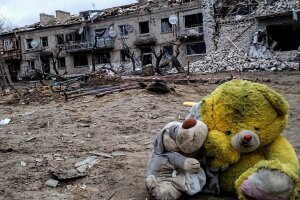
Education emerged not simply as learning, but as protection. Children described real schools with walls, desks, toilets, and playgrounds. In safeguarding terms, schools are protective environments. They provide routine, psychosocial support, monitoring, and stability. Tents and overcrowded shelters cannot meet those standards.
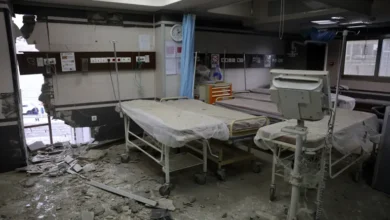
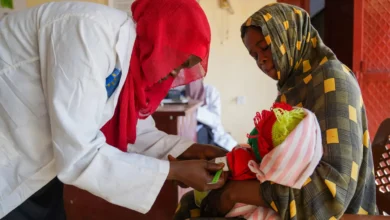
Healthcare, too, was framed through a protection lens. Children asked for hospitals that feel calm and safe, alongside mental health support. Trauma-informed care is not optional in conflict recovery. As one child noted, fear does not end when bombing stops.
Perhaps most compelling is that children outlined their own phased recovery plan: immediate safety and psychological first aid, followed by permanent infrastructure, and eventually higher education and cultural spaces. This is structured thinking from children who understand loss.
Crickx’s message was clear. Recovery that ignores children’s voices is not just incomplete. It is unsafe. Safeguarding begins by listening, and Gaza’s children have spoken.
To read the full remarks by UNICEF Chief of Communication in the State of Palestine Jonathan Crickx, please find the official link below.