UNICEF Flags Grave Violation as Over 1,100 Children Were Recruited and Exploited by Armed Groups in 2024
North-East governors have renewed commitments to safeguard children following revelations that 1,120 children were recruited into armed groups in 2024, according to the United Nations Children’s Fund.
The disclosure, made during activities marking the International Day Against the Use of Child Soldiers in Maiduguri, has intensified concerns about violations of children’s rights and the long-term consequences for their safety, dignity and development.
Speaking in Maiduguri, UNICEF Child Protection Manager Tarek Akkad revealed that the figure comprised 525 boys and 595 girls, underscoring that both genders are increasingly vulnerable.
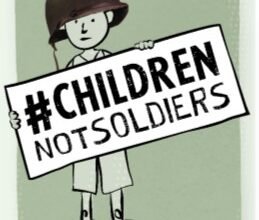
Globally, an estimated 250,000 children remain trapped in armed conflicts. The statistics highlight what child rights advocates describe as one of the gravest violations against children, the recruitment and use of children in hostilities.
International child rights laws are clear on this issue. Article 38 of the United Nations Convention on the Rights of the Child obligates states to protect children from participating in armed conflict. The Optional Protocol on the Involvement of Children in Armed Conflict further requires governments to prevent the recruitment and use of children under 18 by armed groups.
Article 19 guarantees children protection from all forms of violence, while Article 39 mandates physical and psychological recovery and social reintegration for children affected by armed conflict. Regionally, Article 22 of the African Charter on the Rights and Welfare of the Child reinforces these protections within African states.
Beyond statistics, the effects on children are profound. Children recruited into armed groups are exposed to violence, sexual exploitation, forced labour and deep psychological trauma. Many experience long-term emotional distress, interrupted education and social stigma that make reintegration difficult.
Even children who are not directly recruited often live in fear, displacement and uncertainty, which disrupts their learning, emotional stability and overall development.
In response, governments in Taraba, Borno, Gombe, Yobe and Bauchi outlined measures to reduce vulnerability. Taraba highlighted free education as a preventive strategy.
Borno reported reducing out-of-school children significantly and expanding humanitarian support. Gombe and Yobe emphasised education reforms, reintegration efforts and vocational training. Bauchi maintained vigilance despite reporting no cases.
Going forward, stronger safeguarding requires sustained school access, psychosocial services, economic support for families, community monitoring systems and coordinated regional action. Protecting children is both a legal obligation and a moral responsibility.