Viral Video Sparks Panic Over Possible “Child Soldier” Recruitment in Northeast Nigeria
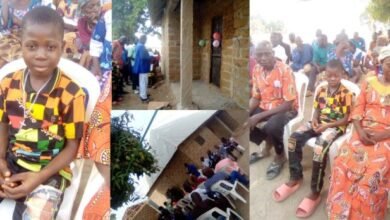
A viral video showing about 18 children dressed in military camouflage and celebrating in a forested area has sparked widespread concern in Borno State, raising serious child protection and safeguarding questions about the possible use of “child soldiers” by armed groups.
Residents who viewed the footage believe the language spoken by the children suggests they may be from the Ngoshe axis of Gwoza Local Government Area in Borno South. Although the exact location and circumstances remain unverified, the images have triggered fears that the children may have been recruited, coerced, or abducted and used as “child soldiers” by terrorist groups operating in the region.
If confirmed, the situation represents a grave violation of several internationally recognised child rights. Under the United Nations Convention on the Rights of the Child (UNCRC) and the African Charter on the Rights and Welfare of the Child, children have the right to protection from armed conflict and exploitation. Specifically, Article 38 of the UNCRC prohibits the recruitment or use of “child soldiers” in armed conflict. Such involvement also breaches a child’s right to protection, education, development, and a safe environment.
Authorities have suggested that the children could be exploited through forced recruitment or abduction following recent attacks in parts of Borno where women and children were reportedly taken hostage.
Child protection experts stress that children associated with armed groups, including those used as “child soldiers,” are often victims rather than perpetrators and require rehabilitation, psychosocial support, and reintegration into their communities.
The situation highlights the urgent need for stronger prevention strategies. Governments, security agencies, and humanitarian partners must intensify efforts to protect communities from attacks that lead to child abductions. Early warning systems, community surveillance, and rapid response mechanisms are essential to safeguard children from being recruited as “child soldiers.”
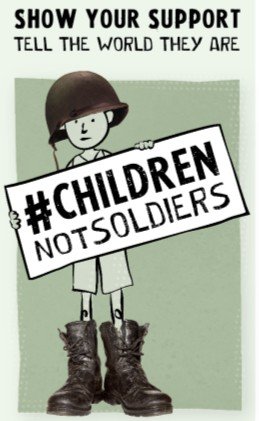
In addition, expanded access to education, community awareness campaigns, and reintegration programmes are critical to prevent children from being drawn into violent groups. Protecting children from becoming “child soldiers” is not only a security priority but also a fundamental obligation to uphold their rights, dignity, and future.